Exporting Australian Produce by Air: Best Practices for Compliance and Shelf Life
Exporting Australian produce by air gives local growers and producers the chance to reach premium international markets faster, fresher, and with maximum value. However, it also comes with strict compliance and logistics responsibilities.
The Australian Government Department of Agriculture, Fisheries and Forestry (DAFF) manages export controls to make sure all agricultural products meet the necessary export and importing country requirements.
From regulatory compliance to packaging and shelf-life practices, this article explores what you need to know about exporting Australian produce by air.
Air Freight Compliance: The Best Practices
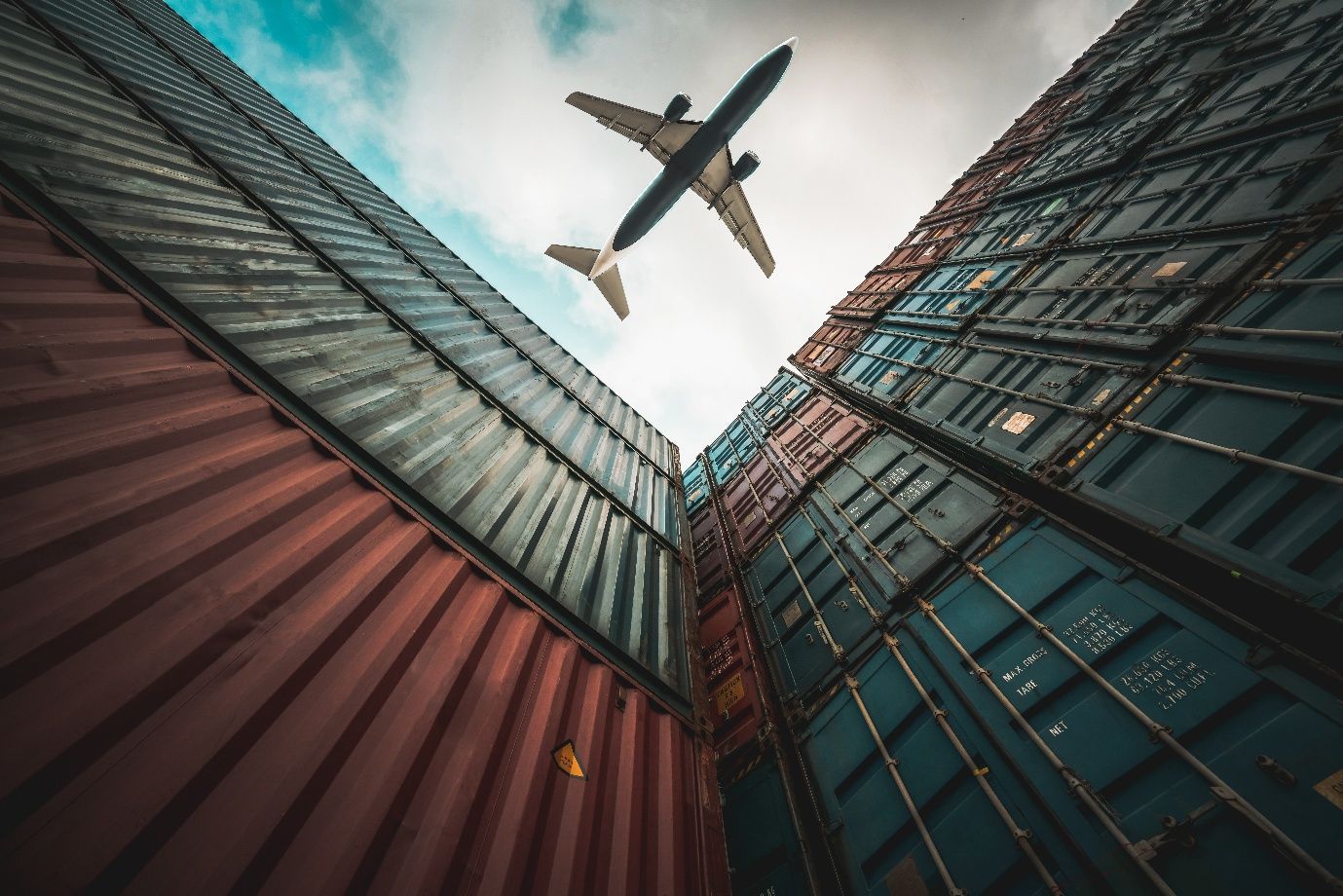
When exporting agricultural goods from Australia, your shipment must comply with export laws, importing country requirements, and product-specific standards. Let's take a look at what this looks like.
For example, the DAFF oversees the export process under the Export Control Act 2020.
Their role includes:
- Regulating prescribed goods such as meat, fish, dairy, and eggs.
- Approving export establishments (packing, storage, or processing sites).
- Issuing export permits and health or phytosanitary certificates.
- Inspecting and verifying goods for export.
Their goal is to ensure Australian produce is fit for purpose, accurately labelled, safe for human consumption, and traceable through the supply chain.
Exporting Aussie Produce: Best Practices
How do you meet importing country requirements? Each market has its own rules for packaging, labelling, pesticide limits, or quarantine treatment. Exporters should always confirm these conditions before shipment using DAFF’s MICoR (Manual of Importing Country Requirements).
This prevents rejections or expensive delays at the destination port.
Air freight offers the fastest way to move perishable products, but maintaining compliance and quality takes planning. How do you go about this?
1. Check Certification and Facility Requirements
Before preparing your shipment, check if your product is a prescribed good under the Export Control Act 2020.
- Register your facility with DAFF if required.
- Arrange for inspections by an authorised officer.
- Apply for certification and documentation before goods leave Australia.
2. Use Strong Packaging and Clear Labelling
Air freight packaging needs to protect goods against movement, temperature changes, and moisture. Use food-grade, insulated materials and ensure labels show:
- Product name and country of origin
- Batch or lot numbers
- Storage instructions and handling information
- Treatment or certification details (where required).
3. Communicate with Importers Early
Keep your buyer updated on expected delivery times, packaging details, and storage conditions.
It's also a good idea to provide all documentation upfront to ensure smooth clearance for regulatory objectives and to maintain strong trade relationships.
4. Have Correct Documentation for Air Transit
For faster customs clearance and minimal delays, you want to make sure all paperwork is accurate and consistent, such as:
- Export permits and health or phytosanitary certificates
- Air Waybill (AWB)
- Commercial invoice and packing list
- Treatment or temperature logs
- Certificates required by the importing country
5. Work with Experienced Freight Forwarders
Freight forwarders experienced in perishable air cargo understand inspection processes, airline handling rules, temperature-sensitive logistics, regulator performance, and more.
They can manage booking, documentation, and customs coordination, which lowers the risk of shipment delays and puts effective arrangements in place.
Read: The Role of Customs Clearance in Perishable Logistics.
Why Choose Air Freight for Australian Produce?
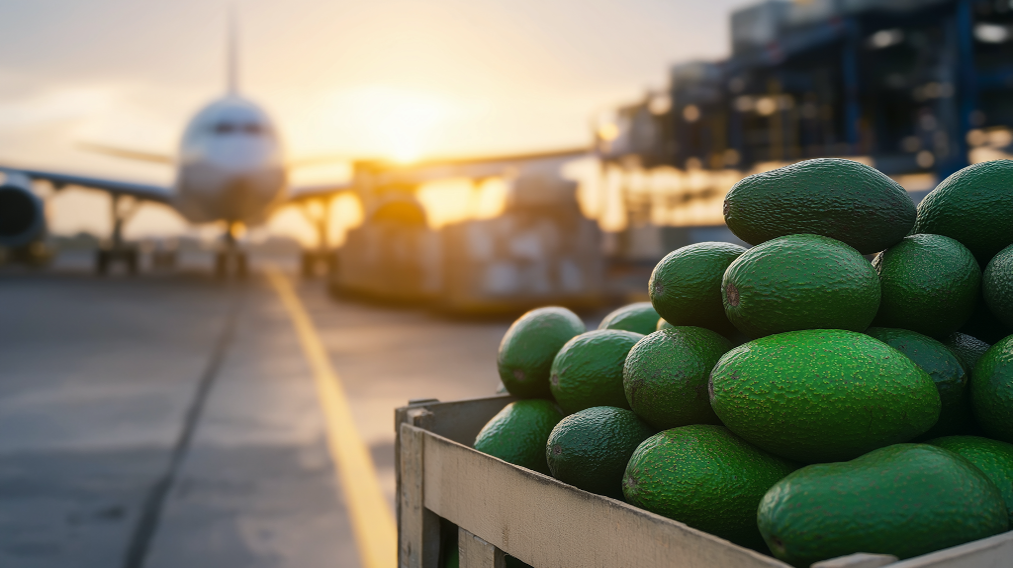
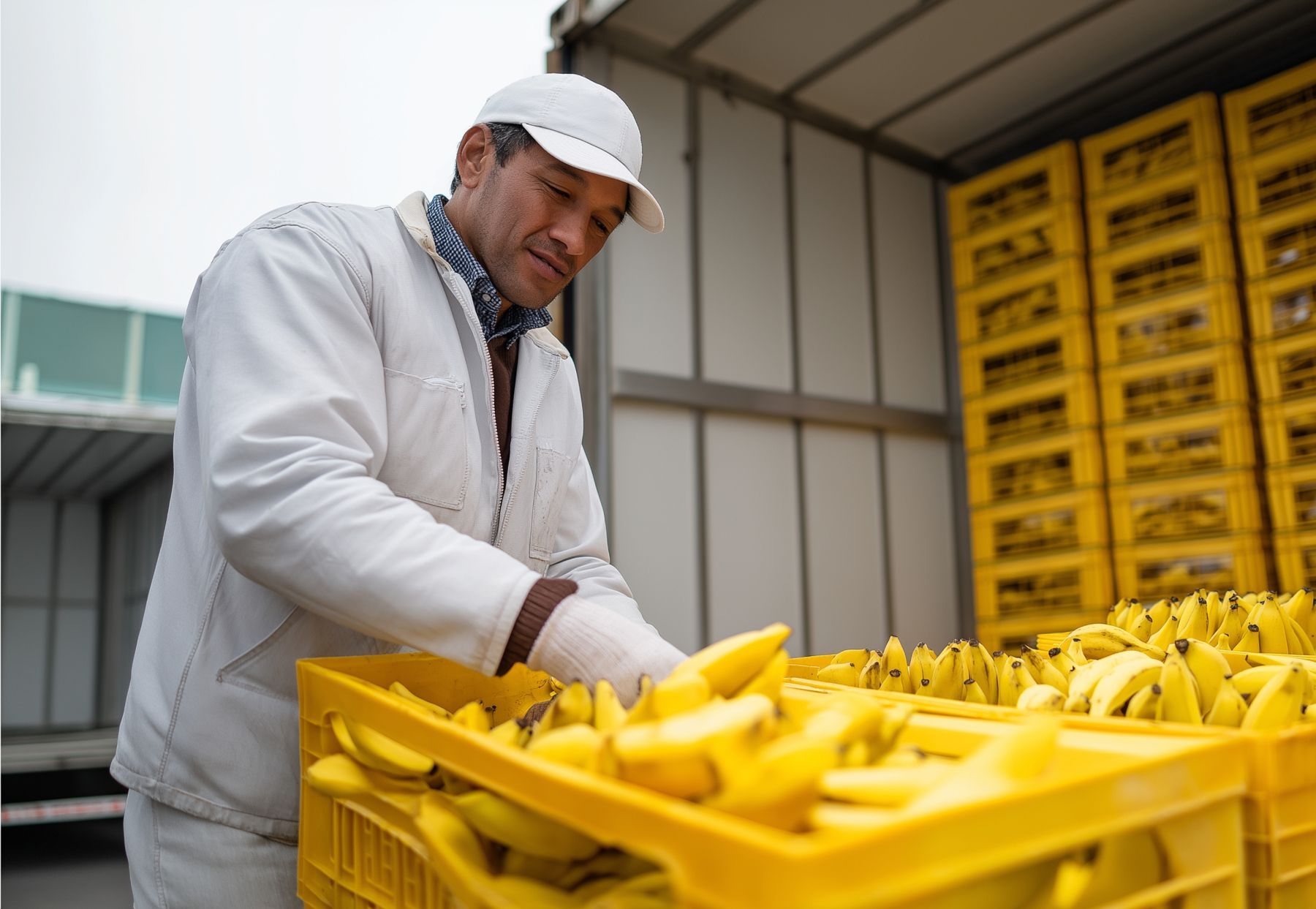
For perishable or high-value produce, time is everything. Air freight gives exporters a faster way to deliver goods like fresh fruit, vegetables, seafood, dairy, meat, and flowers to global buyers while maintaining freshness and quality. With this in mind, why does air freight matter for perishables?
It is a lot faster to transport: Air transport cuts back transit time, so products retain their quality when reaching the destination.
There are more opportunities for different markets: Exporters can supply high-value regions such as Asia, the Middle East, and Europe, where freshness equals premium pricing.
Quality is assured: Shorter journeys reduce handling, spoilage, and temperature fluctuations.
It offers a brand advantage: Australian produce is known for a clean and sustainable image; air freight helps maintain that reputation.
When the goal is freshness, reliability, and consumer trust, air freight gives producers a competitive edge.
What About Optimising Shelf Life for Air Freight?
Air freight can extend the freshness window, but shelf life still depends on how the produce is handled from farm to plane.
What affects shelf life?
- Temperature and humidity: Even small fluctuations can cause spoilage.
- Ethylene sensitivity: Some produce gases that accelerate ripening in others.
- Physical handling: Rough treatment during packing or loading damages soft produce.
- Harvest timing: Goods loaded too long after harvest lose freshness faster.
How do you preserve shelf life?
- Pre-cool immediately after harvest to remove field heat.
- Use modified atmosphere packaging (MAP) to slow respiration.
- Monitor temperatures using data loggers or smart sensors.
- Inspect quality before and after air transit.
- Plan efficient flight routes to limit stopovers and reduce delays.
Controlled and Prescribed Goods
Certain commodities are regulated under legislation and require formal certification prior to export.
These include:
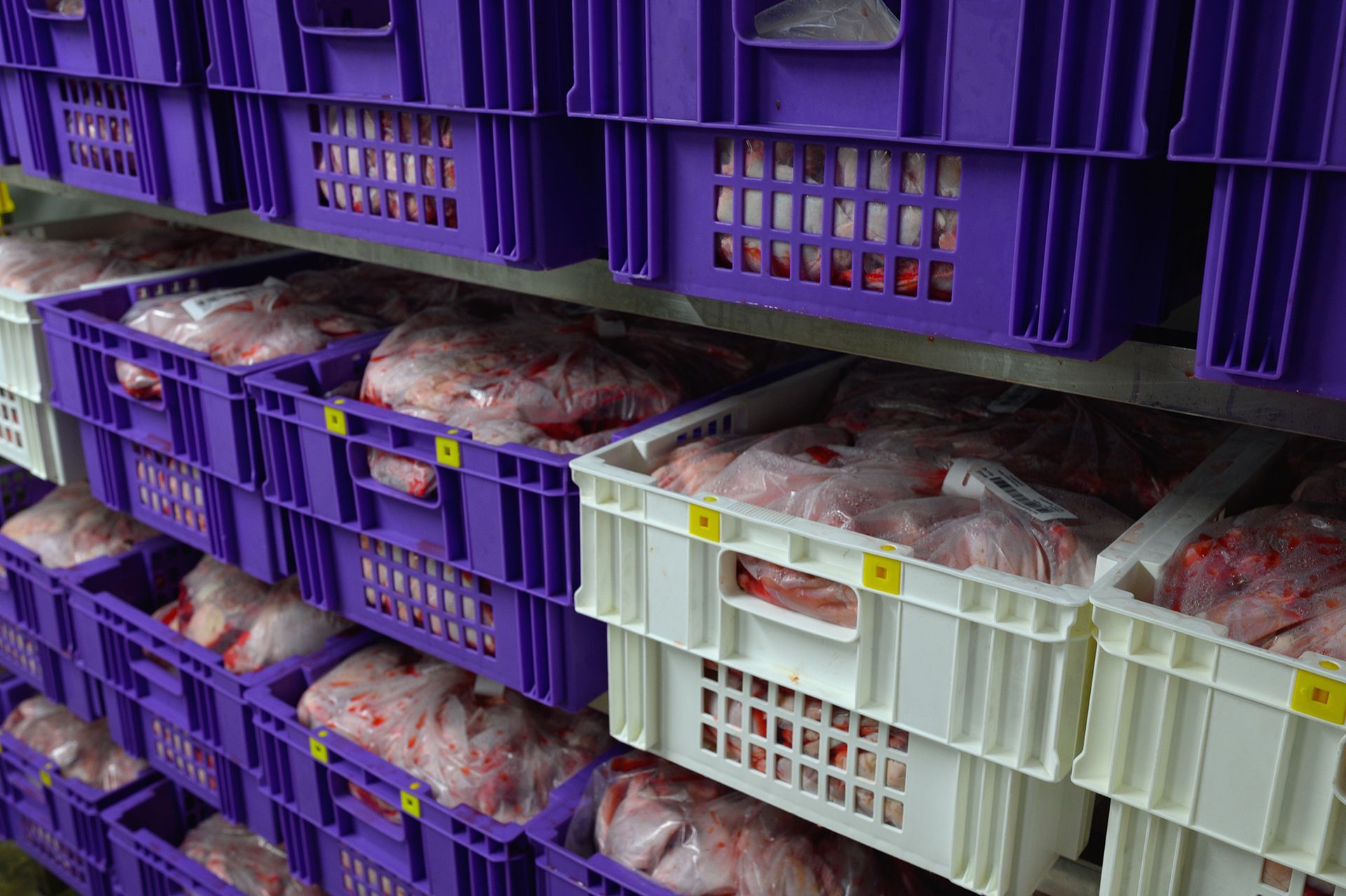
- Meat, poultry, and game products
- Eggs and egg products
- Milk and milk products
- Live animals
- Fish and fish products
- Plants and plant products
- Wood and woodchips
- Organic goods
For these categories, exporters must work through DAFF-approved processes, including inspection and certification.
What about non-prescribed goods? Items such as honey, processed foods, cosmetics, wool, animal feed, pet food, and animal by-products don’t always require export permits. However, if the importing country demands certification, DAFF can issue export documentation to support compliance.
By maintaining strong quality control and using the right logistics partners, exporters can deliver produce that meets freshness and safety standards while protecting brand reputation.
If you are unsure about export control legislation, compliance priorities, project risk plans, external stakeholders, reporting arrangements or departmental documentation, Vision International helps you meet export legislative requirements and more.
Export By Air Today: Contact Vision International!

Exporting Australian produce by air is about combining compliance, speed, and product care, and Vision International Logistics do all of this and more!
Founded in 1995, we are an Australian-owned provider of transportation logistics services with the goal of creating a global network that manages and transports cargo around the world. With a head office in Brisbane, we understand our territory better than anyone.
- Always verify export classification and documentation with DAFF.
- Protect product integrity through an unbroken cold chain.
- Work with accredited partners and communicate early with overseas buyers.
- Implement shelf-life best practices to maximise freshness and customer satisfaction.
Australian exporters can confidently deliver produce that lives up to the country’s global reputation for quality, safety, and reliability.
We're also a member of the WCA Family, the world's largest independent forwarder network of over 3,500 members in 174 countries and 620 cities. We provide clients with access to industry experts worldwide, even in the most challenging locations.
Require services for perishables, sea freight, air freight, customs, project cargo, or international freight forwarding that are compliant? Contact us by calling +61 7 3866 7900, emailing enquiries@vision.com.au, or visiting our locations in Sydney, Brisbane, and on the Sunshine Coast to join us on our journey. Whether you're a small business or a larger enterprise, we are here to help.
Vision International are ISO 9001 certified for quality management, an Australian Trusted Trader who simplifies and expedites international cargo operations, and holds a HACCP certification.