The Role of Route Surveys and Lift Studies in Project Cargo
With international air freight, timing, cargo integrity, and regulatory compliance cannot be compromised for global supply chains. For Australian importers and exporters, air freight offers a reliable option for moving goods quickly across borders, particularly when dealing with time-sensitive, high-value or regulated cargo.
Effective air freight relies on careful planning, secure handling, and a clear understanding of international and Australian compliance requirements. This article explains how international air freight services work, when they are most useful, and what businesses should consider ensuring goods move efficiently and lawfully from origin to destination.
What Is International Air Freight?

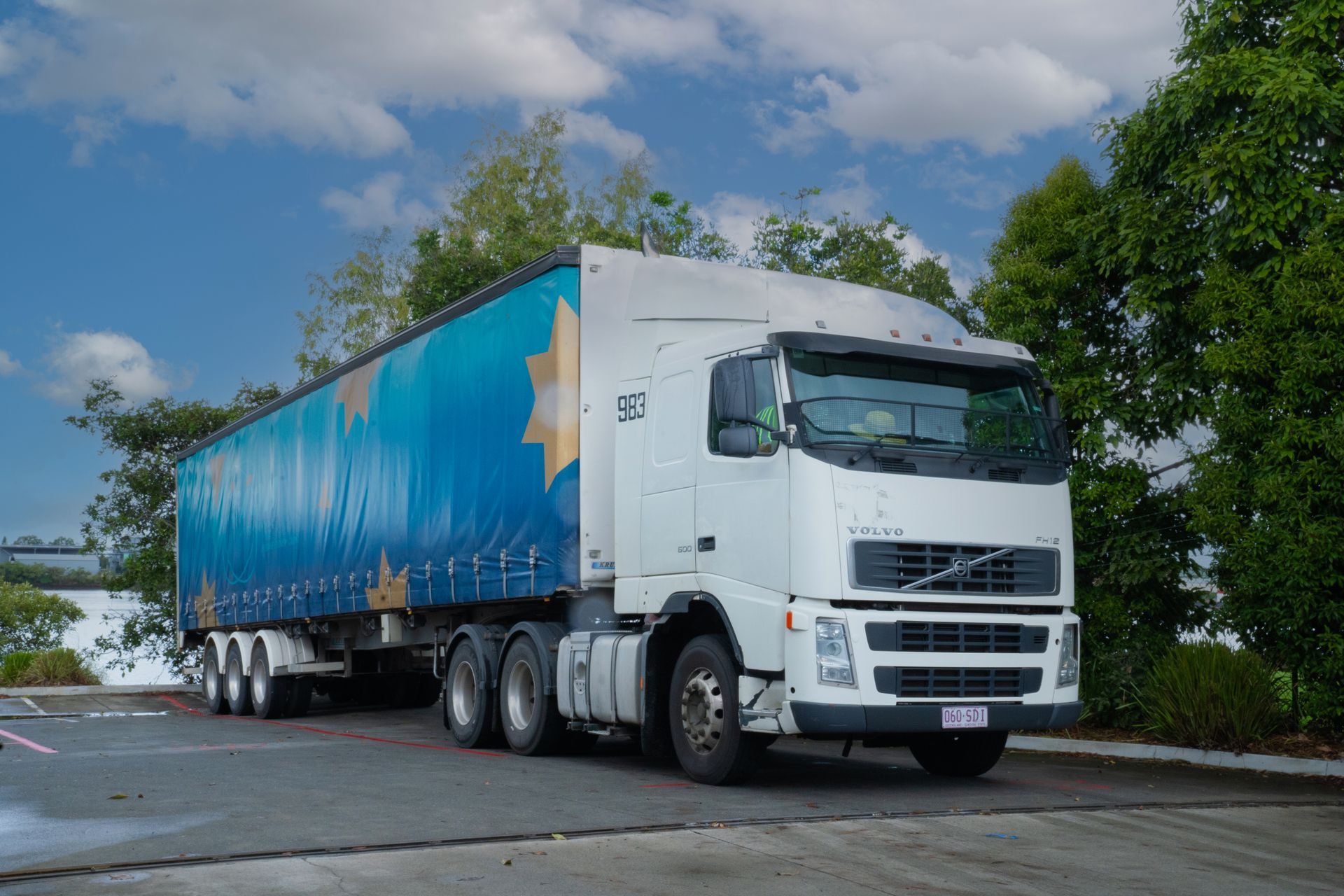
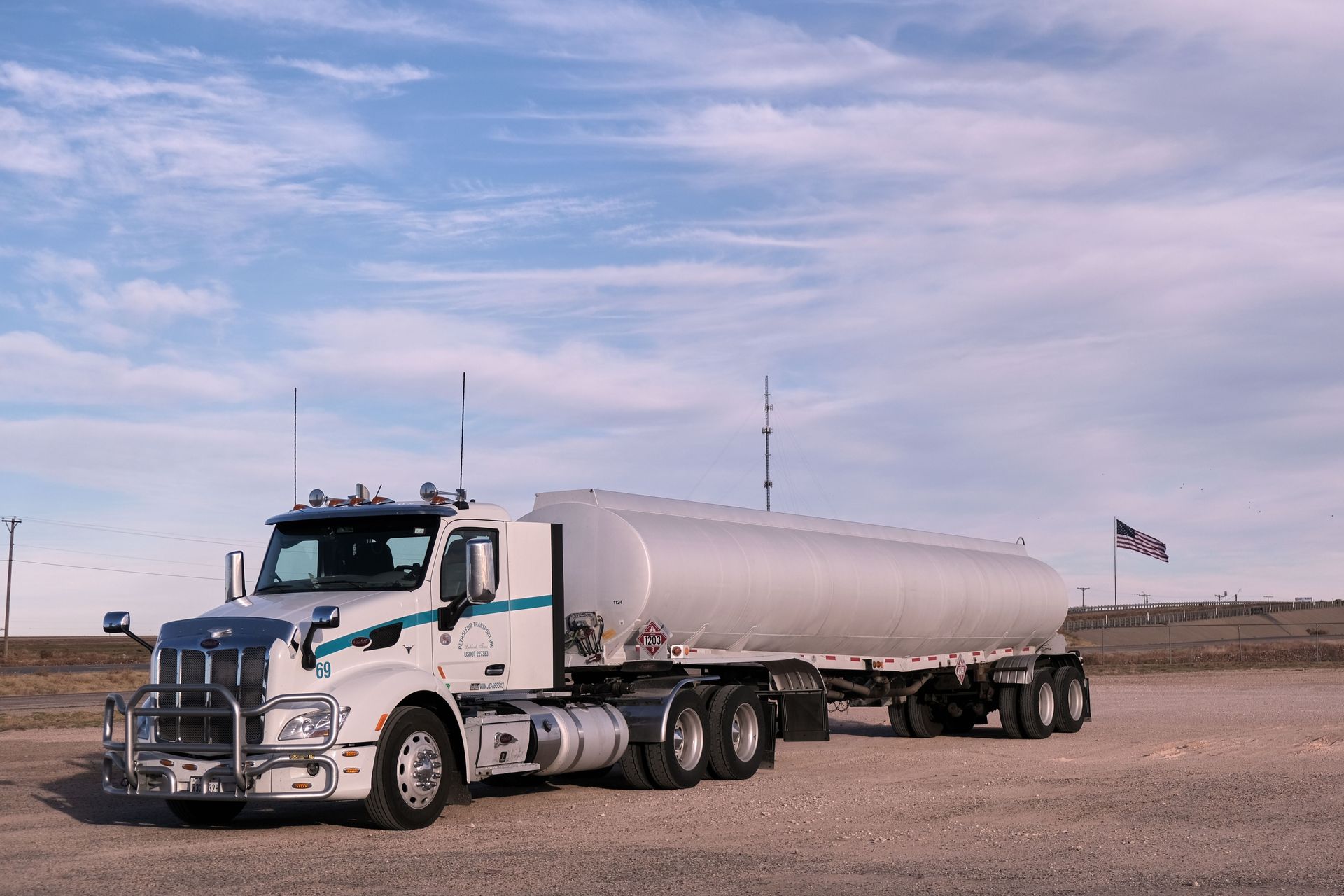
Project cargo usually involves items that cannot be containerised or handled using standardised equipment.
• Industrial machinery
• Mining or energy components
• Construction modules
• Large-scale infrastructure assets
• Breakbulk or heavy-lift units
These loads often exceed standard height, width or weight limits. That introduces risks that don’t exist in general freight: restricted road access, limited lifting capacity, structural constraints and regulatory approvals.
Route surveys and lift studies exist to deal with this while there is still flexibility in how a move is designed.
What is a route survey?
A route survey is a detailed risk assessment of every stage of a cargo’s inland journey. It examines whether a load can physically move along a proposed route and what adjustments are needed to make that possible. Let's look at what a route survey reviews.
• Road geometry, including tight turns and gradients
• Bridge load limits and structural capacity
• Overhead obstacles such as powerlines, signage and gantries
• Clearance under bridges and rail crossings
• Pavement condition and axle load restrictions
• Access into ports, terminals and final sites
• Traffic management and escort requirements
In Australia, route planning must also align with state-based heavy vehicle regulations and infrastructure authority requirements. Each jurisdiction has its own approval process, and assumptions made in one state do not always translate to another.
All in all, it is a realistic movement plan that reflects what can happen on the ground, not what looks feasible on paper.
Route surveys reduce risk before costs escalate
One of the biggest mistakes in project freight is locking in transport equipment or lifting methods before route constraints are fully understood. Without a survey, issues often appear late in the process!
• Discovering a bridge cannot support the load
• Finding site access is narrower than expected
• Realising escort or curfew conditions restrict delivery windows
• Needing emergency permits or infrastructure modifications
By identifying these constraints early, route surveys help avoid last-minute changes (such as transport modes) that increase cost and compress timelines.
Stakeholders plan supporting works in advance, whether that involves temporary line lifting, road modifications or alternate delivery sequencing.
What is a lift study?
Route surveys focus on horizontal movement, however, lift studies deal with vertical handling. A lift study assesses how cargo will be lifted, positioned and secured at each handling point. This includes loading, discharge, transhipment and final installation:
• Cargo weight, centre of gravity and lifting points
• Crane capacity, reach and configuration
• Ground bearing pressure and pad requirements
• Rigging methods and lifting gear
• Sequence of lifts and exclusion zones
• Weather and environmental constraints
• Interface with port or site lifting rules
Why are lift studies critical for oversized cargo? Project cargo often pushes equipment close to its operational limits. Even small miscalculations can have serious consequences. For example, studies with heavy lift operations prevents:
• Crane overloading or instability
• Uneven load distribution
• Damage to cargo during lifting
• Unsafe working conditions on site
• Delays caused by unsuitable equipment
They also support compliance with workplace safety laws and site-specific procedures, particularly at ports and construction sites where lifting controls are tightly regulated.
In many cases, lift studies are required by terminals, stevedores or principal contractors before a move can proceed.
How route surveys and lift studies work together
These two assessments are effective when treated as part of the same planning process.
• A route survey may limit vehicle configuration, which affects lift height and crane reach
• Site access constraints may dictate where lifts can occur
• Temporary infrastructure works identified in a route survey may change lifting sequences
• Port handling limits may influence inland transport design
What is a lift study?
Australia’s freight network is governed by a mix of federal, state and local authorities. Oversized cargo movements often involve multiple approvals across jurisdictions.
• Heavy vehicle access permits and route approvals
• Infrastructure owner requirements for bridges and roads
• Coordination with utilities and local councils
• Port authority and terminal handling rules
• Workplace health and safety obligations
These layers make early planning essential. Route surveys and lift studies provide the technical foundation needed to engage with authorities and secure approvals without rework.
What happens if you skip early assessments?
Some project timelines are tight, and it can be tempting to treat surveys and studies as items to sort out later. In practice, that usually creates more problems than it solves.
• You may need to redesign transport plans mid-project
• You might need to rebook cranes or vessels
• You'll pay premium rates for urgent permits
• Site occupation and labour costs are extended
• You are more likely to expose cargo to damage and delay claims
For high-value cargo, the cost of a proper survey or study is small compared to the financial impact of a failed lift or blocked route.
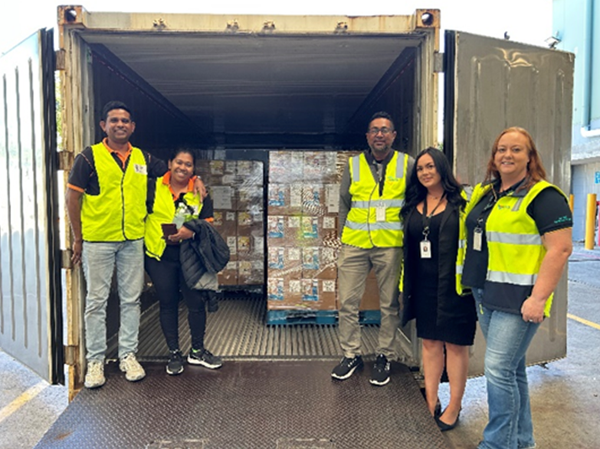
Read about a case study: Comfy Foods’ First Export Success to Japan with Vision International
How does Vision International help?
At Vision International Logistics, project cargo planning starts well before cargo moves. We are reliable freight forwarders who work with clients to assess transport routes, lifting requirements and handling constraints early, so project decisions are based on real-world conditions rather than assumptions.
What can you expect from us?
• Custom and tailored project cargo solutions built around cargo dimensions, weight, handling requirements and site constraints
• Established relationships with carriers, ports and specialist project partners to support heavy lift, breakbulk and out-of-gauge movements
• Technical planning expertise, including route assessments and lifting considerations, to reduce risk before cargo moves
• End-to-end project cargo coordination, covering transport planning, customs clearance, quarantine, compliance and documentation, so complex moves stay controlled from origin to destination
Our role is to reduce uncertainty, manage risk and keep complex cargo moving without unnecessary disruption.
Whether you are worried about oversized machinery, load securing, lifting operations, specific transportation risks and want to understand what is involved before commitments are made, contact our team for expert transport engineering.
Vision has expertise in sea freight, air freight, customs, and international freight forwarding for your peace of mind.
Learn more: Exporting Australian Produce By Air: Best Practices for Compliance and Shelf Life