Common Freight Forwarding Mistakes Brisbane Businesses Should Avoid
Freight problems can cost more than time. Incorrect documents, inaccurate cargo details, misunderstood Incoterms, classification errors, overlooked biosecurity requirements and underestimated landed costs can mean extra charges, clearance problems or delivery disruption. Good freight forwarding Brisbane work starts before the goods move, with clear responsibilities between the supplier, the importer or exporter, the freight forwarder and the customs representative.
Verify cargo details and documents, confirm import conditions and Incoterms, plan customs and biosecurity early, and compare the full cost of delivery, not just the freight rate.
Vision International Logistics is a 100% Australian-owned freight forwarder in Brisbane, founded in 1995. This guide draws on that experience of Brisbane freight logistics and is general information, not advice for an individual shipment.
What Are the Most Common Freight Forwarding Mistakes Brisbane Businesses Make?
The most common mistakes involve cargo data, paperwork, customs details, biosecurity, Incoterms, freight mode, landed cost and planning. These are the shipping mistakes in Brisbane to check first, and sound freight forwarding Brisbane planning catches them early. The freight forwarding errors below each follow one pattern: mistake, consequence, prevention.
- Cargo data: Wrong figures change quotes and handling, so measure packed cargo first.
- Documents, classification and value: Mismatches prompt queries and duty questions, so cross-check every document and have a licensed broker review the rest.
- Biosecurity: Skipped checks can mean inspection, treatment or extra cost, so check BICON before you order.
- Incoterms: Unclear terms cause disputes over who pays and carries risk, so agree the term in writing.
- Freight mode: The wrong choice misses the brief on cost or timing. Air suits urgent or perishable cargo, while sea suits larger planned volumes.
- Landed cost: Margins shift once duty, GST and local charges land, so build the full figure first.
- Planning: Late planning brings storage charges and missed delivery windows, so arrange clearance and delivery early.
Why Should You Not Choose a Freight Forwarder Based on Price Alone?
A headline rate rarely shows the whole job. Freight forwarding Brisbane quotes can look similar on paper, yet two freight forwarding companies in Brisbane may quote the same route with very different scope. Freight forwarding costs in Brisbane depend on cargo, route and service level, so compare like for like.
When you request a freight quote in Brisbane, ask two questions:
- Scope: What is included and excluded from origin to final delivery?
- Compliance: Are customs work, biosecurity-related handling and documentation covered?
How Can Incorrect Cargo Information Cause Freight Problems?
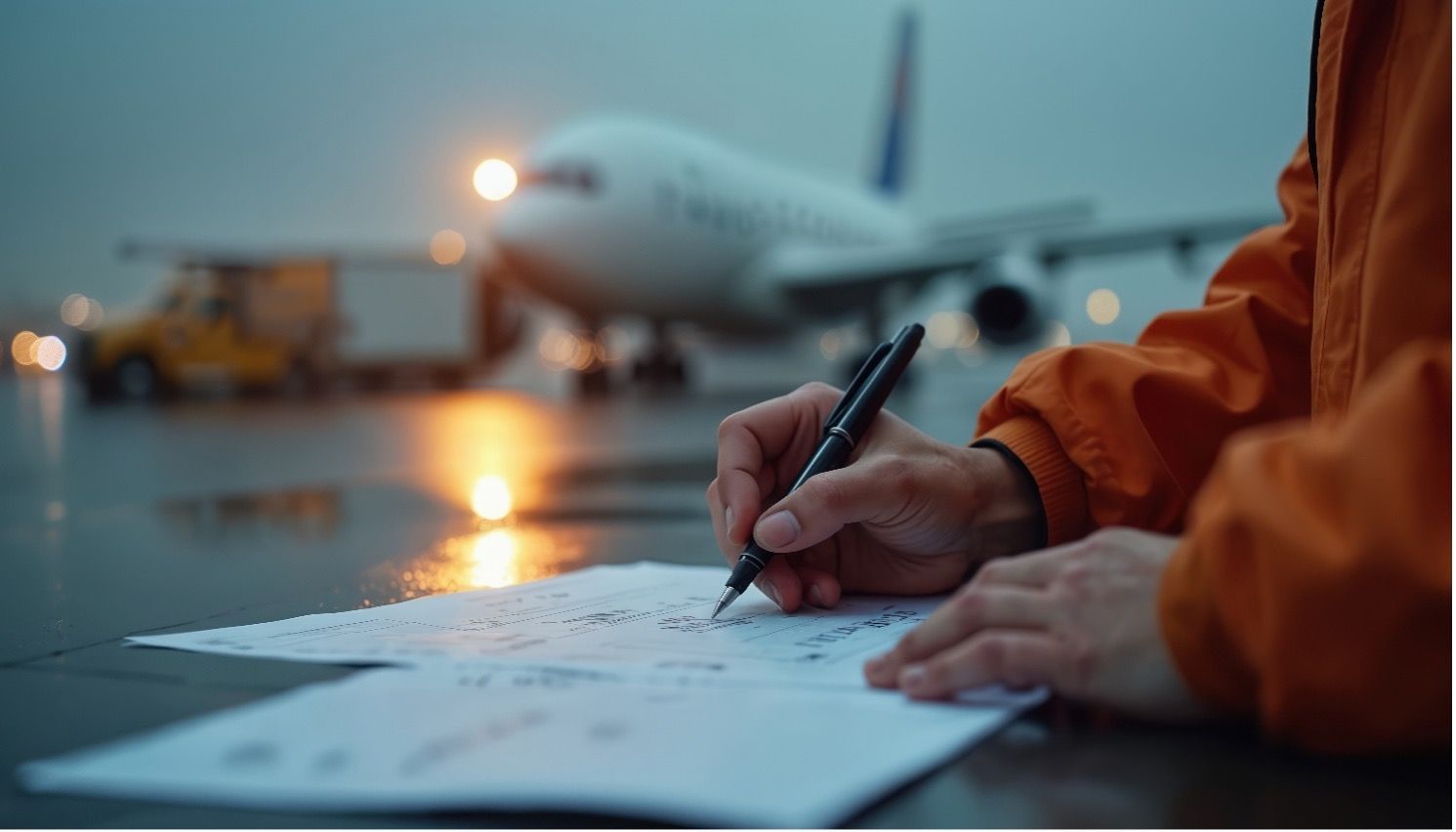
Most international shipping mistakes begin before the cargo leaves the supplier. Inaccurate information affects quoting, booking, handling and customs processing, because the same figures flow into all shipping documentation in Australia. Confirm these before quoting:
- Weight: Give gross weight per package and in total. Air freight is charged on the greater of actual or volumetric weight.
- Dimensions: Use packed size, not product size. A taller pallet than declared can change the container plan or aircraft fit.
- Description: Make it specific enough to classify, such as “frozen beef cuts”, not “food”.
- Origin and value: State the country of origin and a value that matches the invoice.
Your freight forwarding Brisbane partner can only be as accurate as the information it receives. Queensland exporters face the same discipline, and exporting mistakes in Australia can also trace back to missing destination permits or certificates.
What Customs Mistakes Can Delay an Australian Shipment?
The main customs mistakes are incorrect tariff classification, a wrong customs value, inconsistent invoice details and incomplete documents. Customs is where freight forwarding Brisbane work meets regulation. Avoiding importing mistakes in Australia starts with an accurate import declaration in Australia, which the Australian Border Force (ABF) explains on its website, and Australian customs clearance depends on it.
ABF’s December 2025 Goods Compliance Update reports sample-based monitoring results. Read them as a snapshot of that sample, not every Australian import.
Incorrect tariff classification
Mistake: classifying goods by habit or the supplier’s code. Consequence: the wrong duty rate and later corrections. Prevention: classify from what the goods are and do, and have a licensed broker review anything uncertain. Tariff classification in Australia should match the goods, and your description should support it.
Incorrect customs value
Mistake: using a figure that ignores what was paid or payable. Consequence: duty and GST on the wrong base. Prevention: confirm commercial terms with the supplier and keep records. Customs value in Australia generally builds on the price paid or payable, with adjustments that depend on the circumstances, so ask your broker to confirm. It also underpins import duties in Australia.
Incorrect invoice and shipment information
Mistake: an invoice that differs from the packing list or transport document. Consequence: queries before release. Prevention: use one consistent description throughout. Three people often prepare three documents, so goods can end up described three ways.
Incomplete documentation
Mistake: sending cargo without every required document. Consequence: missing or inconsistent documents can contribute to processing issues, though not every error causes a delay. Prevention: confirm the list for your goods before dispatch. Typical customs documentation in Australia includes a commercial invoice, packing list, bill of lading or air waybill, the import declaration, and any permits that apply.
What Are Incoterms and Why Do They Matter for Freight Forwarding?
Incoterms are internationally recognised rules from the International Chamber of Commerce (ICC) that set agreed responsibilities for delivery, costs and transfer of risk between buyer and seller. Your freight forwarding Brisbane partner needs to know them, because they show who arranges and pays for each leg and where risk passes.
Under FOB, the seller delivers the goods on board the vessel at the named port of shipment, and the buyer carries cost and risk from there. Under DAP, the seller delivers the goods ready for unloading at the named destination, and the buyer handles import clearance.
Read the ICC’s Incoterms 2020 guidance and agree the term in writing.
What Biosecurity Requirements Should Brisbane Importers Check Before Shipping?
Check the conditions for your specific goods and import pathway before you order, because Australian biosecurity import rules vary by what you bring in and how. The Department of Agriculture, Fisheries and Forestry (DAFF) oversees biosecurity in Brisbane imports as it does nationwide, and a generic checklist cannot replace the official conditions. A freight forwarding Brisbane partner with DAFF-qualified staff, as Vision has, can point you to them.
Customs and biosecurity are separate checks:
- Customs: The ABF covers declaration, classification, value, duty and GST.
- Biosecurity: DAFF covers pests, disease and contamination, with BICON as the key tool.
Satisfying one does not satisfy the other.
BICON
BICON is DAFF’s Biosecurity Import Conditions system. Search your goods to find the BICON import requirements that apply, including any permit, treatment or inspection. Recheck BICON when the product, supplier or origin changes, as a product that cleared before may face different conditions.
Timber and bamboo packaging
Timber or bamboo pallets, crates and dunnage can carry pests. Timber packaging in Australia imports generally needs to meet DAFF requirements, which can include approved treatment and an ISPM 15 mark. ISPM 15 in Australia reflects the international standard for wood packaging. Mistake: untreated or unmarked packaging. Consequence: treatment, inspection and extra charges. Prevention: instruct suppliers in writing and ask for photos of the marks before dispatch.
Packing declarations and supporting documents
A packing declaration in Australia is a supplier’s statement about how goods are packed, and it can be required for certain goods or pathways. Have the supplier complete it per shipment and check it against the packing list.
Container cleanliness and contamination risks
Cleanliness requirements can apply to particular pathways, and a container carrying soil, seeds or plant material can draw biosecurity attention. Ask your forwarder about container condition and check BICON.
What Is the Difference Between FCL and LCL Freight?
FCL (full container load) gives one shipper a whole container, while LCL (less than container load) shares container space with other consignments. Neither is always cheaper or faster, so FCL vs LCL in Australia decisions should rest on operational criteria.
- Volume: LCL suits smaller consignments and FCL suits near-full containers.
- Handling: LCL freight is combined with other shippers’ cargo, so it is generally handled more often and depends on consolidation schedules.
How Do You Calculate the Total Landed Cost of an Import?
Landed cost is the total cost of getting goods to your door. Landed cost in Australia should add up:
- Product and freight: Product cost, international freight and insurance where applicable.
- Government charges: Duty, GST and customs brokerage.
- Port and delivery: Port or terminal charges, handling, storage and local delivery.
- Other: Charges such as inspection or treatment.
Charges can differ by terminal and mode, whether your cargo moves as Port of Brisbane freight or Brisbane Airport freight.
Mistake: Budgeting on freight alone.
Consequence: Margin surprises.
Prevention: Build the full figure before confirming the order, and ask your freight forwarding Brisbane provider what it can estimate. Vision’s customs team offers landed costing analysis.
When Should a Business Use a Customs Broker?
Consider a licensed customs broker when importing for the first time, infrequently or with complex goods. Freight forwarding coordinates the movement of cargo, while a customs broker acts on customs matters, as ABF’s guidance on licensed brokers explains. Not every shipment requires one.
A customs broker in Brisbane such as Vision’s licensed team covers tariff advice, duty concessions and biosecurity compliance. Vision is also an Australian Trusted Trader, so customs clearance in Brisbane and freight forwarding Brisbane importers rely on can be coordinated together.
How Can Brisbane Businesses Avoid Freight Delays?
Plan each stage before it arrives. Planning international freight in Brisbane is about preventing avoidable errors, and no checklist can promise a transit time.
- Before booking: Confirm cargo data, Incoterm, import conditions and landed cost.
- Before dispatch: Check documents match and packaging complies.
- Before arrival: Brief your broker, confirm permits and arrange delivery.
- At arrival: Answer queries quickly.
- Before delivery: Confirm site access.
A freight forwarding Brisbane partner should walk you through each stage and flag problems early. Queensland importers who treat this as routine, not rescue work, face fewer surprises.
How Do You Choose the Right Freight Forwarder in Brisbane?
Knowing how to choose a freight forwarder in Brisbane comes down to verifiable criteria, not rankings. Freight forwarders in Brisbane differ in cargo focus and accreditation, and freight forwarding services in Brisbane differ in what they include. Check:
- Freight modes: International air freight in Brisbane and international sea freight in Brisbane, with FCL, LCL and reefers.
- Customs support: Licensed brokers involved from the start.
- Communication: A named contact and online tracking.
- Delivery: Delivery to your site, not just the port.
- Experience: Perishables, pharmaceuticals or heavy machinery, as relevant.
- Transparency: Written inclusions and exclusions, and a clear escalation path.
Use this approach to test any freight forwarding Brisbane provider. Vision, for example, offers track and trace, a DAFF-approved Brisbane facility and WCA network access to over 3,500 members in 174 countries.
Freight Forwarding Mistakes Checklist
Use this freight forwarding Brisbane checklist before you ship:
- Cargo data: Weight, dimensions, package count, description, origin and value.
- Documents: Invoice, packing list and transport document match.
- Customs: Incoterm agreed, tariff classification and customs value reviewed.
- Biosecurity: BICON checked where relevant and packaging compliant.
- Delivery: Clearance, landed cost, delivery and tracking confirmed.
Planning International Freight From Brisbane? Get the Right Support From the Start.
Vision International Logistics is an independent, Australian-owned team based near Brisbane Airport, with operations in Sydney and the Sunshine Coast. Its Brisbane shipping services span international air and sea freight, customs, perishables and project cargo. If you want freight forwarding Brisbane businesses can rely on, with documents, biosecurity and clearance planned from the start, contact the team for a quote. For Queensland freight forwarding that plans, start the conversation today.
Frequently Asked Questions
What is the most common freight forwarding mistake?
Inaccurate documents or cargo details, unclear responsibilities and unchecked customs or biosecurity requirements.
How can Brisbane businesses avoid customs delays?
Confirm documents and shipment details before dispatch, check classification and customs value carefully, and agree clearance responsibilities early. A freight forwarding Brisbane partner can help.
What is BICON?
BICON is Australia’s Biosecurity Import Conditions system. It shows the conditions that apply to particular goods and import pathways.
What is the difference between a freight forwarder and a customs broker?
A freight forwarder coordinates the movement of goods. A licensed customs broker can act for an importer or exporter on customs matters, subject to applicable requirements.
What costs should be included in landed cost?
Product cost, freight, duty, GST, brokerage, port or terminal charges, handling, storage, delivery and other applicable costs.