Complete Guide to Perishable Logistics in Australia
Perishable logistics is one of the most demanding areas of freight forwarding. When goods are time-sensitive and temperature-controlled, every stage of the journey matters. A delay at a terminal, incorrect storage, or a break in temperature control can compromise an entire shipment.
In Australia, this becomes even more complex. Long transport distances, strict biosecurity regulations and high export demand mean businesses need a logistics strategy that protects product quality from origin to destination.
This guide explains how perishable
logistics works in Australia, what standards must be met, and how businesses can move sensitive goods without risk.
Perishable Logistics in Australia: What Businesses Need to Know
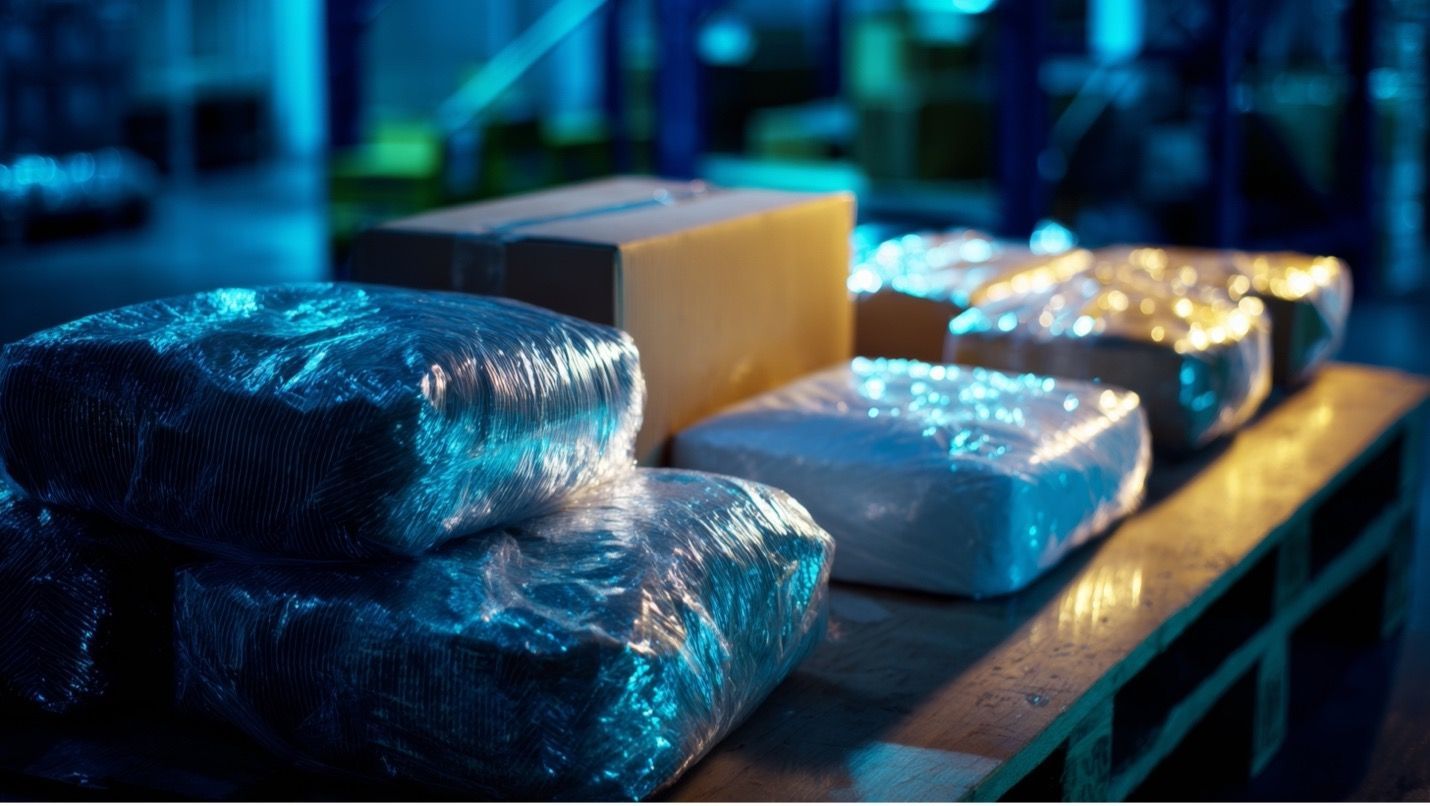
Perishable logistics refers to the transportation of goods that require controlled conditions to maintain quality, safety and compliance.
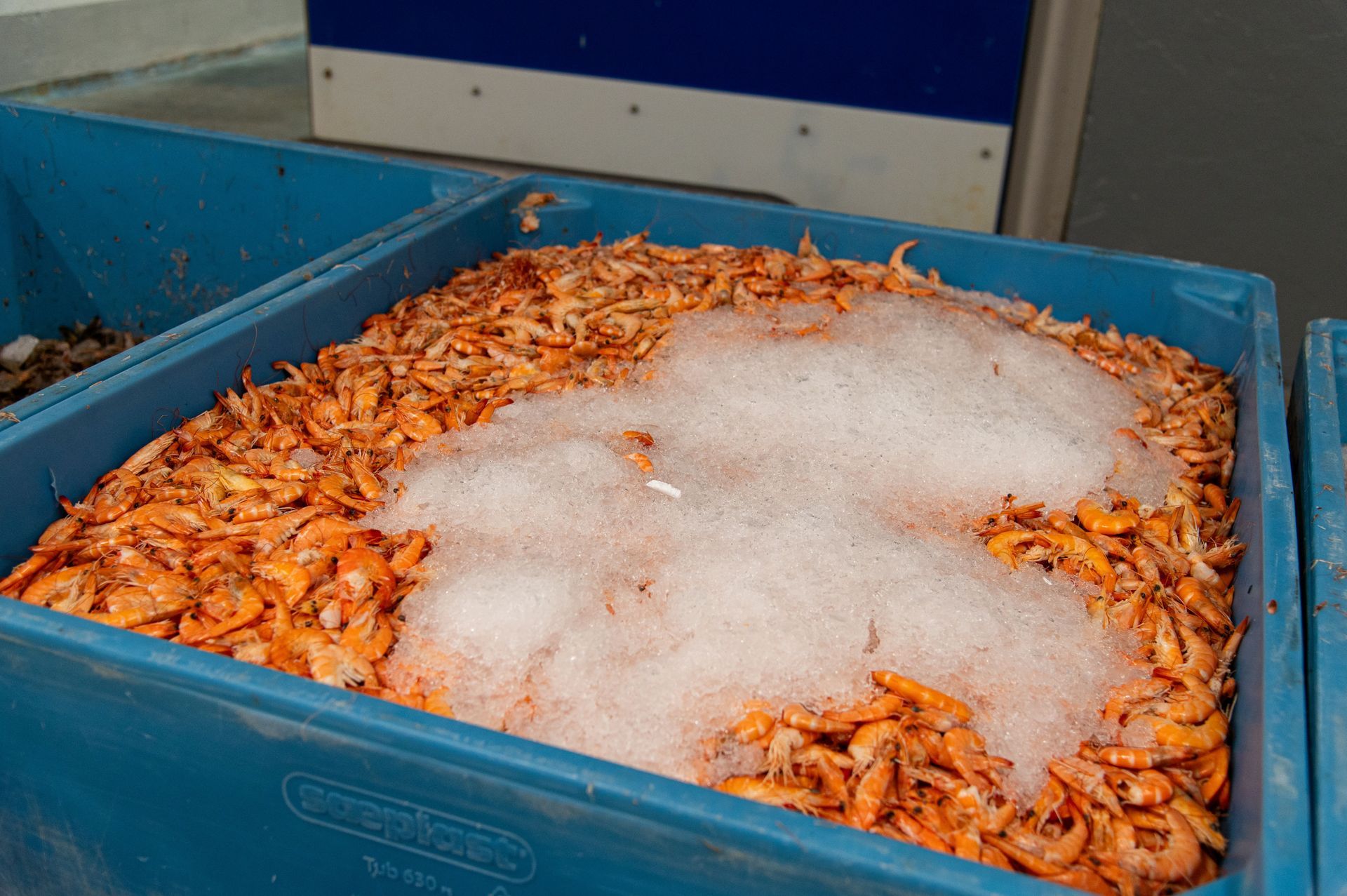
These typically include fresh food, frozen goods, dairy, seafood, pharmaceuticals and other temperature-sensitive products. Unlike general freight, perishable cargo depends on a fully maintained cold chain, meaning temperature conditions must remain consistent across storage, handling and transport.
According to Food Standards Australia New Zealand, maintaining temperature ranges is critical to prevent spoilage and ensure products remain safe for consumption.
For Australian businesses, this is regulatory. Food safety standards, export requirements and quarantine controls all influence how goods are handled and transported.
How Cold Chain Supports Perishable Logistics
The cold chain is the foundation of perishable logistics. It is a continuous system that ensures products remain within a defined temperature range from origin to final delivery.
Temperature-controlled storage
Goods are stored in refrigerated or frozen environments immediately after production or processing.
Refrigerated transport
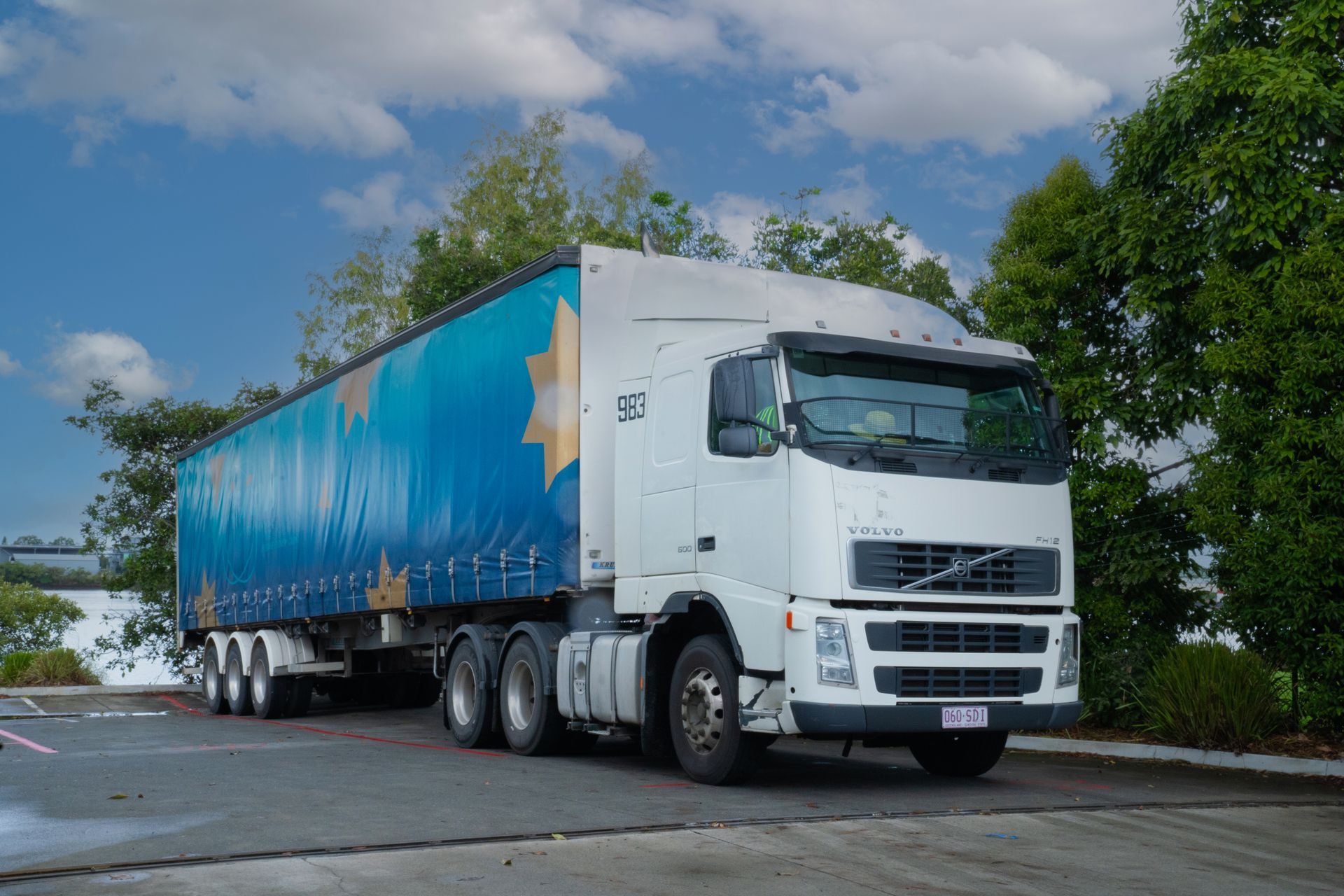
Specialised vehicles and containers (such as refrigerated trucks and reefer containers) maintain stable conditions during transit.
Handling and transfer points
Airports, ports and distribution centres must minimise exposure to ambient temperatures during loading and unloading.
Monitoring and verification
Temperature tracking systems provide visibility and accountability throughout the journey.
Cold chain guidelines emphasise that even short breaks in temperature control can lead to product degradation, making consistency more important than speed alone.
Choosing Between Air Freight and Sea Freight
Selecting the right transport mode is critical for
perishables.
Air freight for time-sensitive cargo
Fresh produce, seafood and pharmaceuticals rely on air transport to maintain shelf life and meet strict delivery windows.
Shorter transit times reduce exposure to risk, but require precise coordination, particularly around airport handling and customs clearance.
Sea freight for controlled bulk shipments
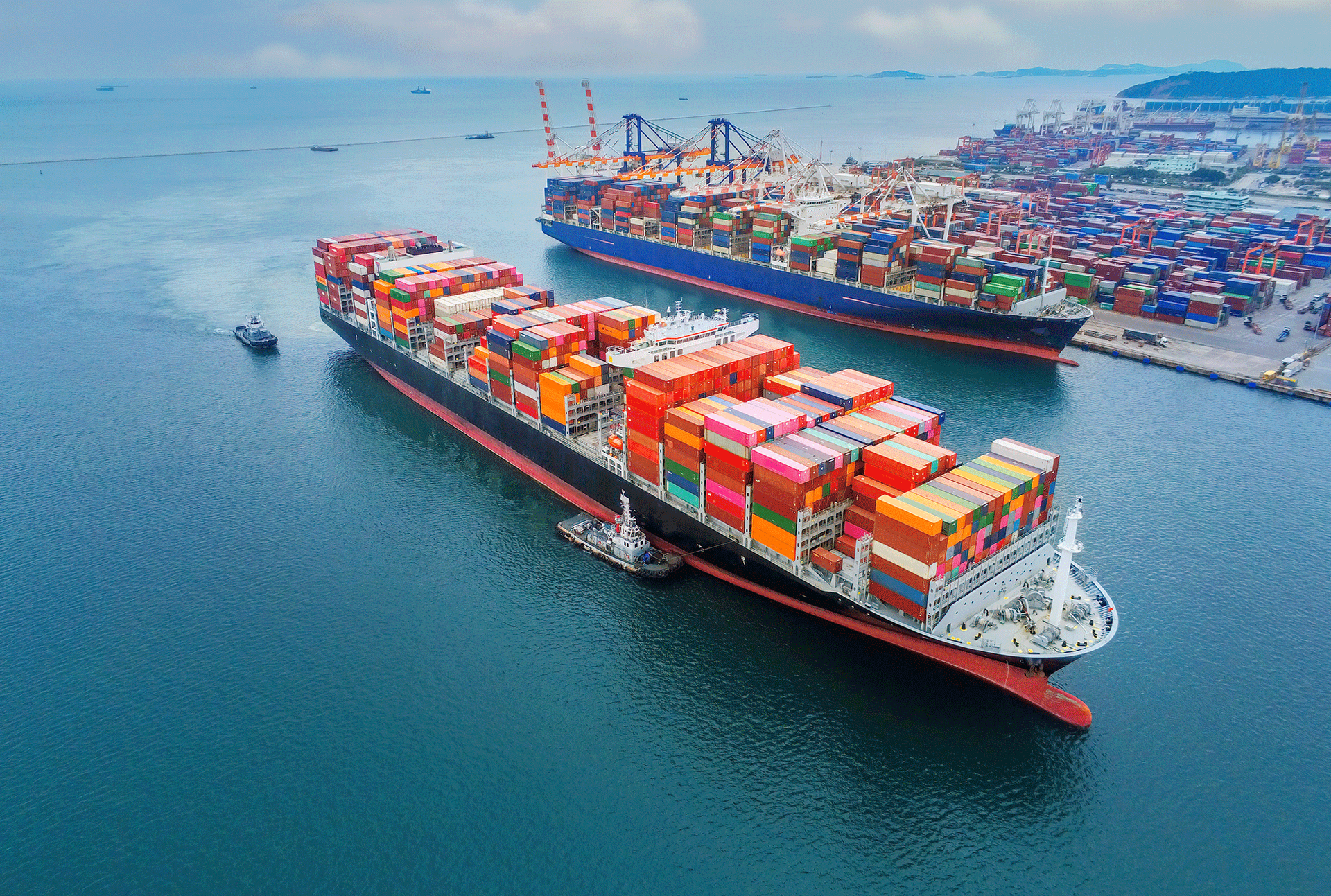
Sea freight, using refrigerated containers, is more cost-effective for larger volumes or goods with longer shelf life.
While transit times are longer, modern reefer containers provide stable temperature environments. This makes sea freight suitable for frozen goods or products that can tolerate extended transit.
What are the Risks of Perishable Logistics?
Perishable logistics introduces risks that are not present in standard freight movements.
Temperature deviations
Incorrect temperature settings or equipment failure can compromise entire shipments.
Delays in transit
Port congestion missed connections or customs holds shorten shelf life and affect product quality.
Handling errors
Improper loading or extended dwell times outside controlled environments can break the cold chain.
Compliance issues
Failure to meet export documentation or biosecurity requirements can result in delays or rejected goods.
Industry guidance consistently highlights that these risks are interconnected. A delay, for example, can quickly become a temperature issue if contingency planning is not in place.
Planning a Perishable Shipment
Effective perishable logistics begins before goods leave the origin point.
Understanding the product
Each product has specific temperature requirements, shelf-life limitations and handling sensitivities.
Packaging and insulation
Appropriate packaging (including insulated containers, gel packs or dry ice) helps maintain stable conditions during transit.
Route and timing strategy
Direct routes and reliable schedules reduce handling points and minimise risk exposure.
Carrier and equipment selection
Not all carriers offer the same level of cold chain capability. Equipment quality and operational experience are critical.
Contingency planning
Backup options must be considered for delays, equipment failure or route disruptions.
A well-planned shipment reduces the likelihood of reactive decisions during transit, where options are often limited.
Compliance and Food Safety Requirements
Perishable logistics in Australia operates within a strict regulatory framework.
Food safety standards require that transport conditions do not compromise the safety or suitability of food. This includes maintaining appropriate temperatures, preventing contamination and ensuring proper handling practices.
For international shipments, exporters must also meet:
- Destination country import requirements
- Biosecurity and quarantine controls
- Health certifications and export documentation
Failure to meet these standards can result in delays, fines or rejected shipments, making compliance a critical part of logistics planning.
Choose a Specialist Perishable Freight Forwarder

Perishable logistics requires specialist knowledge, infrastructure and coordination. A provider like Vision International Logistics operates within this niche by offering:
- Custom, tailored perishable services
- An extensive network of perishable logistics partners
- Perishable cargo is maintained at the proper temperature from the start
- End-to-end logistics services from planning to customs (including cold chain logistics)
With DAFF-approved facilities, HACCP certification and established global partnerships, experienced forwarders ensure that perishable goods move through each stage of the supply chain without disruption.
For businesses importing or exporting sensitive goods, this level of global reach and local expertise reduces risk and provides confidence that products will arrive in optimal condition.
View our case study: Case Study: Vision International Delivers a Rare Bloom — Frozen Corpse Flower Pollen Flown Within 24 Hours
Where Perishable Logistics Is Evolving
Perishable logistics continues to evolve as technology and regulatory expectations increase.
Real-time visibility
IoT sensors now allow real-time tracking of temperature, location and shipment condition.
Improved packaging solutions
Advanced materials are extending shelf life and improving temperature stability.
Greater compliance pressure
Regulations around food safety and pharmaceuticals are becoming stricter, requiring higher levels of documentation and control.
Integrated logistics networks
Closer coordination between suppliers, carriers and forwarders is improving efficiency and reducing risk.
These developments are raising industry standards and making precision logistics more important than ever.
Require Support with Perishables? Contact Us Today
Perishable logistics in Australia requires more than just moving goods quickly. It demands control, consistency and expertise across every stage of the supply chain. And as a 100% Australian owned company, Vision International Logistics has prioritised innovation and flexibility for over 30 years.
From cold chain management to compliance and contingency planning, success depends on how well each element is executed. For businesses dealing with temperature-sensitive cargo, the difference between success and loss often comes down to preparation and the right logistics partner.
Our Locations Across Australia
Brisbane
739 Macarthur Avenue Central, Pinkenba QLD 4008
Sydney
11 Bumborah Point Road, NSW 2036
Sunshine Coast
Coolum Beach, QLD 4573
This is paragraph text. Click it or hit the Manage Text button to change the font, color, size, format, and more. To set up site-wide paragraph and title styles, go to Site Theme.
Contact us today and join us on our journey. We believe in the power of collaboration and innovation, so whether you are a small business or a large enterprise, we are here to help. As part of the WCA Family — the world’s largest independent freight forwarder network — we connect our clients with trusted logistics experts across the globe, including hard-to-reach locations.
Through this network of 3,500+ members in 174 countries and 620 cities, we provide access to reliable, end-to-end logistics solutions worldwide.
Learn more about our accreditation, our values, and how we manage and transport cargo effectively across the globe.