International Freight Forwarding Australia | Air, Sea & Customs Guide
International Freight Forwarding in Australia: A Complete Guide to Air, Sea & Customs Processes
International freight forwarding in Australia is the process of coordinating the movement of goods between countries using air freight, sea freight, and customs clearance services. A freight forwarder manages every stage, from transport planning and documentation to customs compliance and final delivery.
Vision International Logistics is a 100% Australian owned freight forwarder based in Brisbane, handling international freight forwarding by air and sea for businesses importing and exporting worldwide. This guide walks through how the process actually works.
[H2] What is international freight forwarding?
International freight forwarding is the coordination of goods moving between countries, without the forwarder owning the ships or aircraft involved. A forwarder acts as the link between your business, the carriers, and customs authorities.
At Vision, this covers international air freight, international sea freight, customs clearance, and supply chain management, all coordinated through our global network of accredited agents.
[H2] How does international freight forwarding work in Australia?
International freight forwarding in Australia moves through a chain of steps: booking transport, preparing documentation, clearing customs, and arranging final delivery. Each step needs to happen in the right order for cargo to move without delay.
| Stage | What Happens |
|---|---|
| Shipment planning | Choosing the right transport mode for the cargo |
| Documentation | Preparing shipping and customs paperwork |
| Customs clearance | Import or export clearance through ABF and DAFF |
| Final delivery | Delivery to the destination or final consignee |
| Transport | Movement by air freight or sea freight |
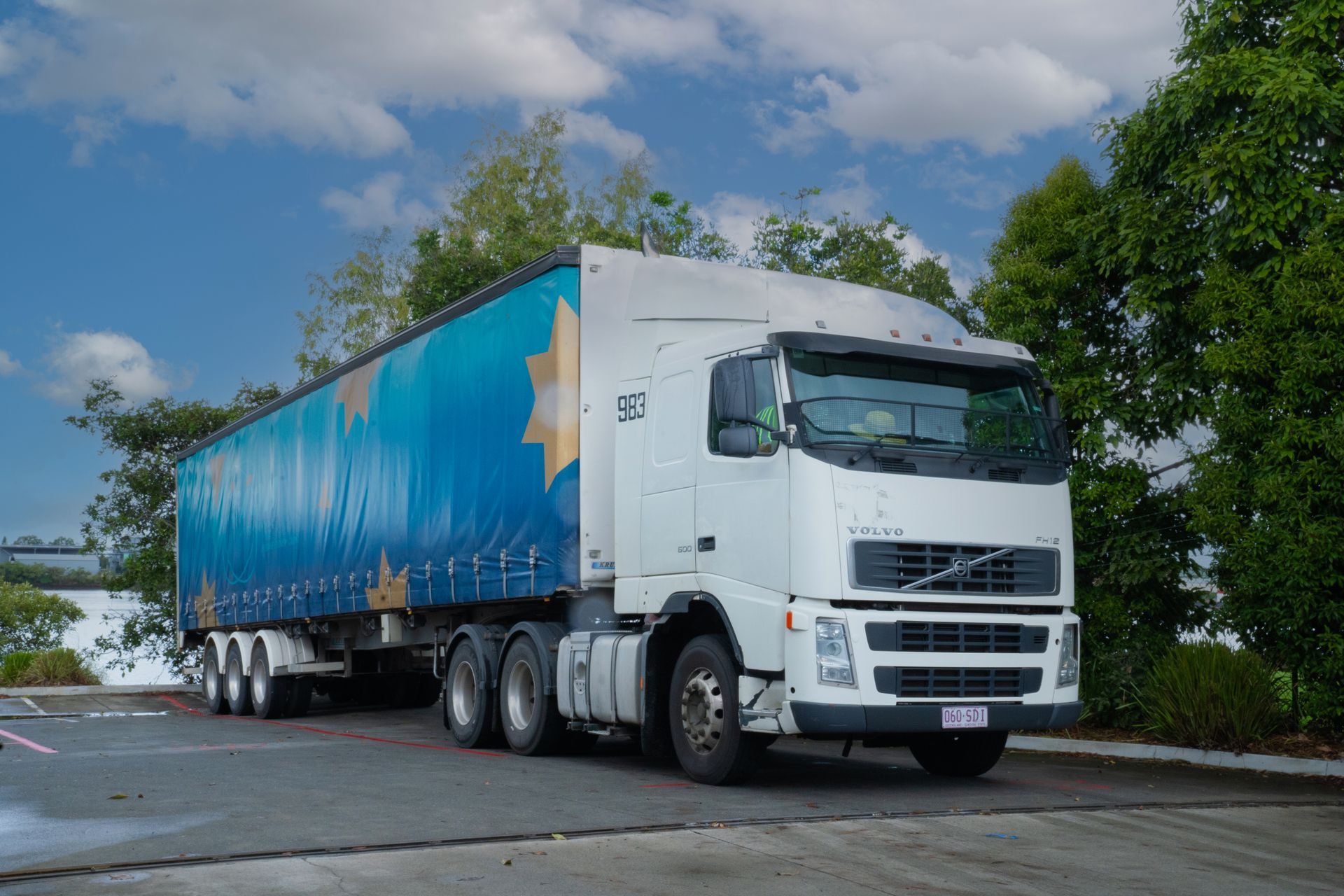
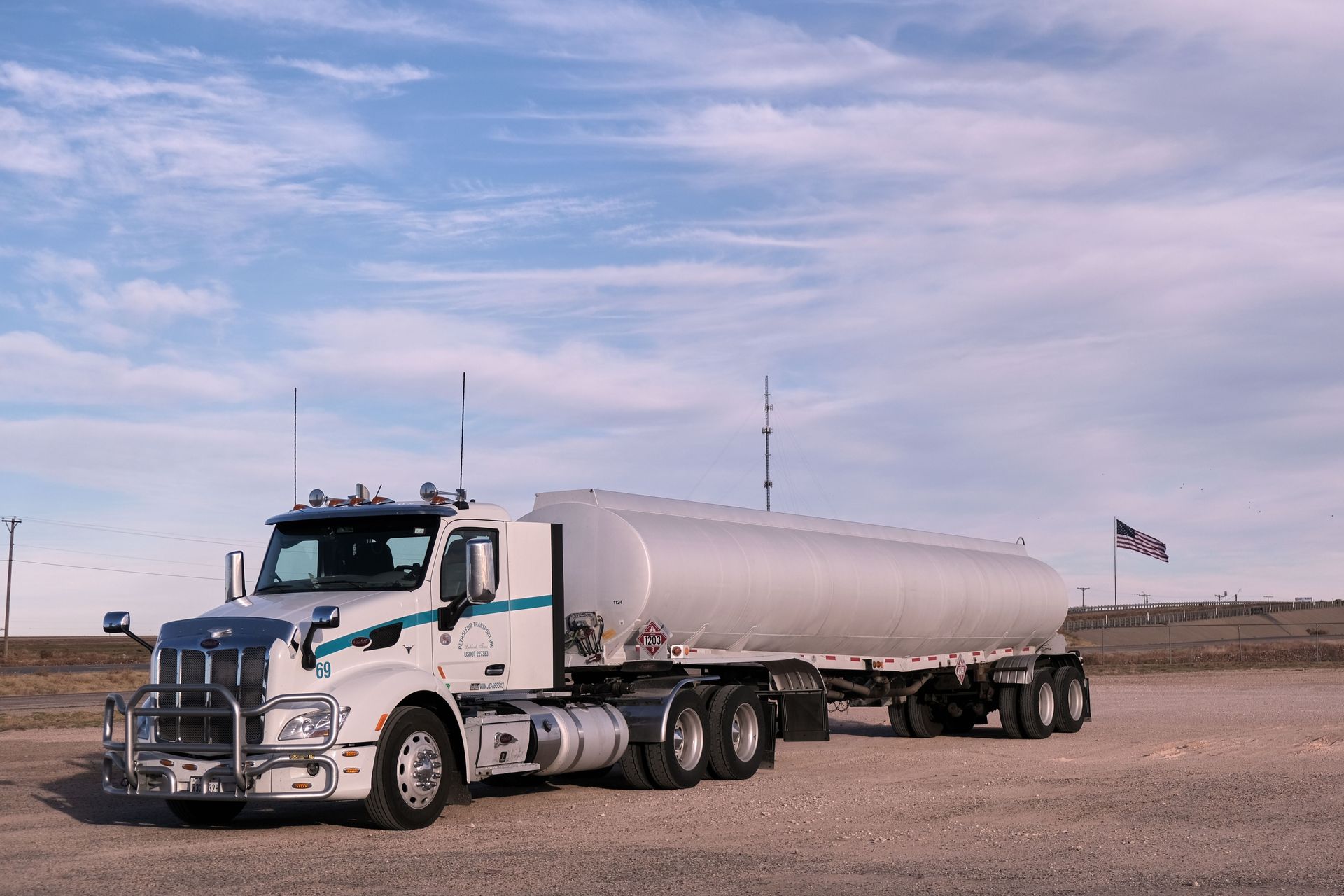
Vision manages this process end to end for both imports and exports, whether you're moving grapes to Vietnam, construction material to the USA, or importing goods from China. Our team coordinates the international movement of your goods in a safe, efficient, and reliable manner.
Air freight vs sea freight: which is best for your shipment?
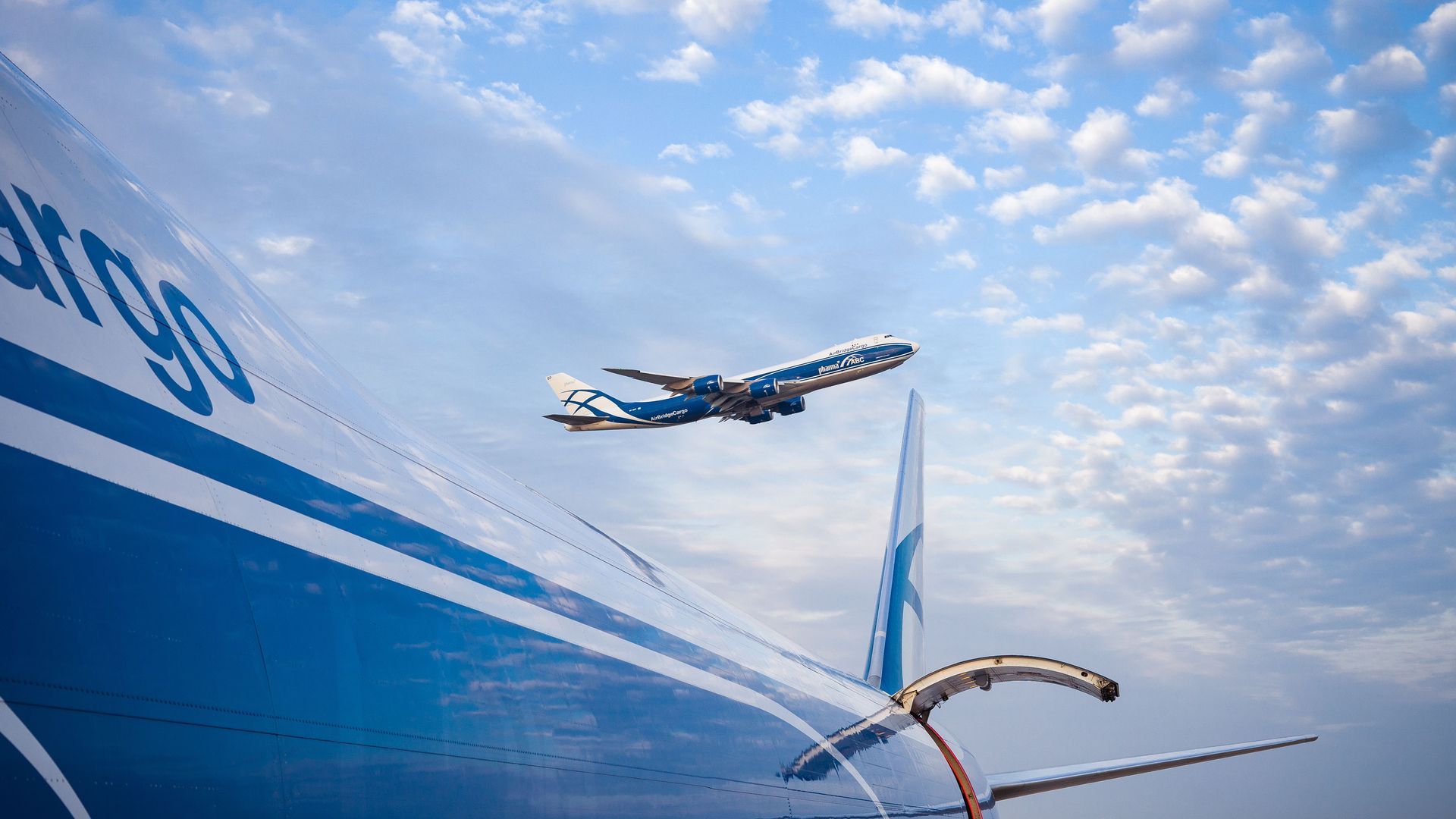
Air freight suits urgent, high-value, or time-sensitive shipments, while sea freight suits larger, heavier, or less urgent cargo. The right choice depends on your budget, timeline, and shipment size.
| Air Freight | Last Name | |
|---|---|---|
| Speed | Faster, suited to urgent cargo | Slower, suited to planned shipments |
| Cost | Higher, priced for speed | More cost-effective for larger volumes |
| Capacity | Limited by aircraft space | High, including full container loads |
| Best For | Time-sensitive, high-value goods | Bulk, heavy, or oversized cargo |
Vision offers both express and standard air freight options, alongside FCL and LCL sea freight, so the right mode is available whichever way your shipment leans.
When should you choose air freight?
Air freight is the right call when your cargo is urgent, high-value, or time-critical. If a delay costs you more than the extra freight charge, air freight is usually worth it.
Vision's air freight services handle documentation, customs clearance, and cargo screening, and we're one of the few providers that can complete full security screening for export air freight.
When is sea freight the better option?
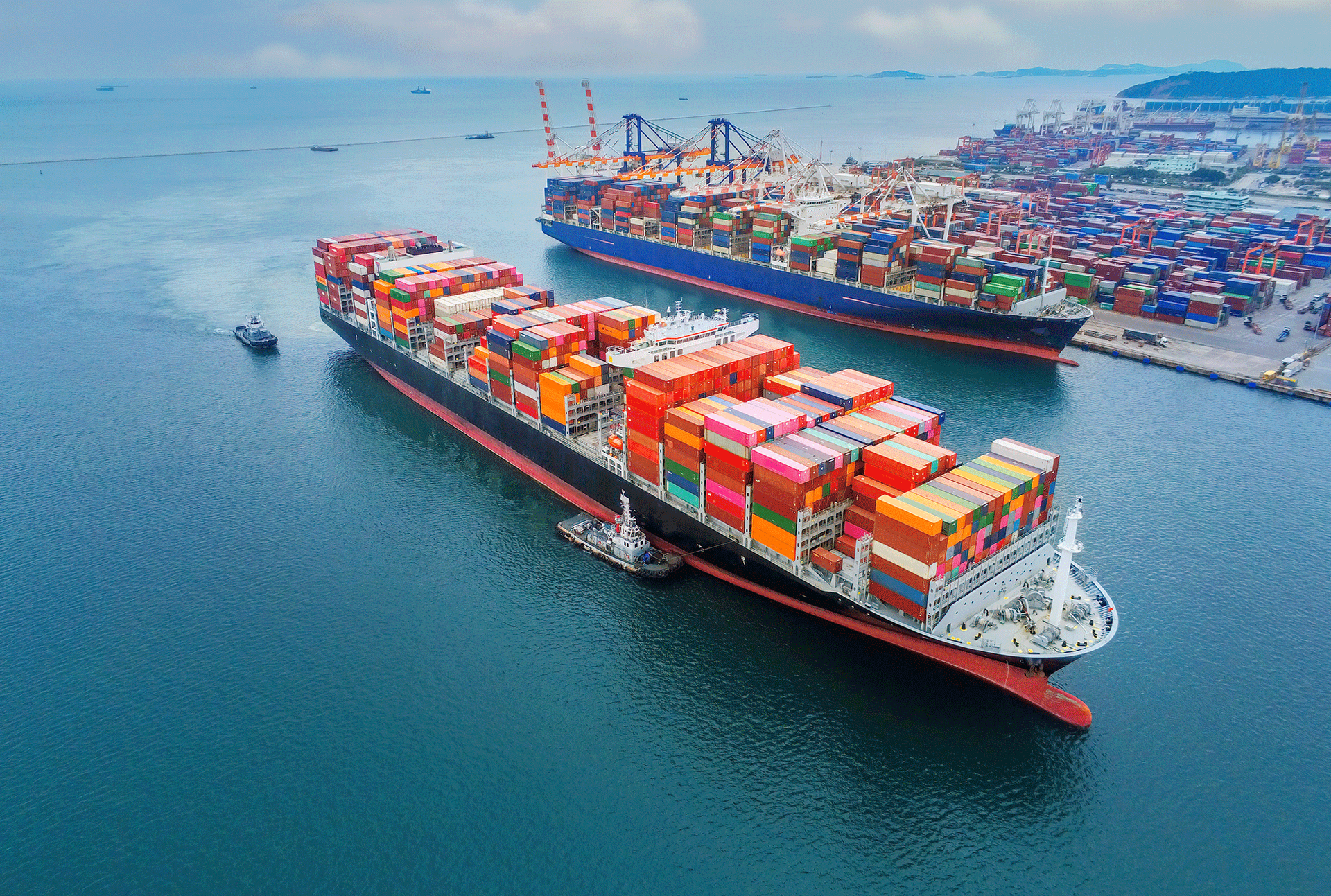
Sea freight is the better option when your shipment is large, heavy, or not time-critical. It's a cost-effective solution for FCL and LCL cargo, and it's where most bulk importing and exporting happens.
Vision manages sea freight from booking through to delivery, including crosstrades, where cargo moves between two international locations without touching Australian shores, and non-standard or out-of-gauge shipments that need tailored handling.
How does customs clearance work in Australia?
Customs clearance in Australia involves meeting the requirements of the Australian Border Force (ABF) and, for many goods, the Department of Agriculture, Fisheries and Forestry (DAFF). Getting the documentation right the first time keeps shipments moving without added cost.
Vision's licensed Brisbane customs brokers manage tariff classifications, duty concessions, and biosecurity compliance. Our staff are DAFF qualified and endorsed, which matters most for perishable and temperature-sensitive imports.
What documents are required for international shipping?
Standard documentation includes a Commercial Invoice, Packing List, Bill of Lading or Air Waybill, Certificate of Origin where applicable, and an Import or Export Declaration. Missing or incorrect paperwork is one of the most common causes of delay at the border.
Vision's team manages this documentation on behalf of clients, checking everything is accurate before cargo reaches customs.
What factors affect international shipping costs?
Shipping costs depend on your shipment's size, route, and cargo type, along with the mode of transport you choose. There's no single flat rate. Every quote reflects the specifics of what's moving and where.
Vision also offers landed costing analysis, giving clients a clear picture of duties, taxes, and freight charges upfront, along with advice on duty concessions and drawbacks where they apply.
What are the common challenges in international freight forwarding?
The most common challenges are documentation errors, customs delays, and choosing the wrong transport mode for the cargo. Any one of these can add days or weeks to a shipment.
Working with an experienced forwarder reduces these risks. Vision's Track and Trace platform also gives clients visibility over their cargo throughout the journey, so problems get caught early rather than discovered on arrival.
What are the benefits of using a professional freight forwarder?
A professional freight forwarder brings transport, documentation, customs clearance, and delivery under one roof, reducing the risk of errors and delays. Instead of managing multiple providers, you deal with one team accountable for the whole journey.
Vision offers end-to-end supply chain solutions that integrate freight forwarding into your wider logistics strategy, backed by a team that has been helping businesses move freight since 1995 and membership of the WCA Family, the world's largest independent forwarder network, spanning 174 countries.
How to choose the right international freight forwarder in Australia
Look for a forwarder with a genuine global network, recognised accreditation, and local expertise in Australian customs and biosecurity requirements. Price matters, but service range and communication matter just as much.
Vision holds Australian Trusted Trader accreditation and operates from Brisbane, Sydney, and the Sunshine Coast, giving clients local support backed by international reach.
Frequently Asked Questions
What is international freight forwarding?
Describe the item or answer the question so that site visitors who are interested get more information. You can emphasize this text with bullets, italics or bold, and add links.Is air freight or sea freight better for international shipping?
Describe the item or answer the question so that site visitors who are interested get more information. You can emphasize this text with bullets, italics or bold, and add links.What documents are required for international freight shipping?
Describe the item or answer the question so that site visitors who are interested get more information. You can emphasize this text with bullets, italics or bold, and add links.Can a freight forwarder handle customs clearance in Australia?
Describe the item or answer the question so that site visitors who are interested get more information. You can emphasize this text with bullets, italics or bold, and add links.
Ready to simplify your international shipping?
Contact Vision International Logistics, your Brisbane-based freight forwarder, for a tailored quote covering air freight, sea freight, and customs clearance for your next shipment.