Managing Documentation Risk in Sea Freight Brisbane
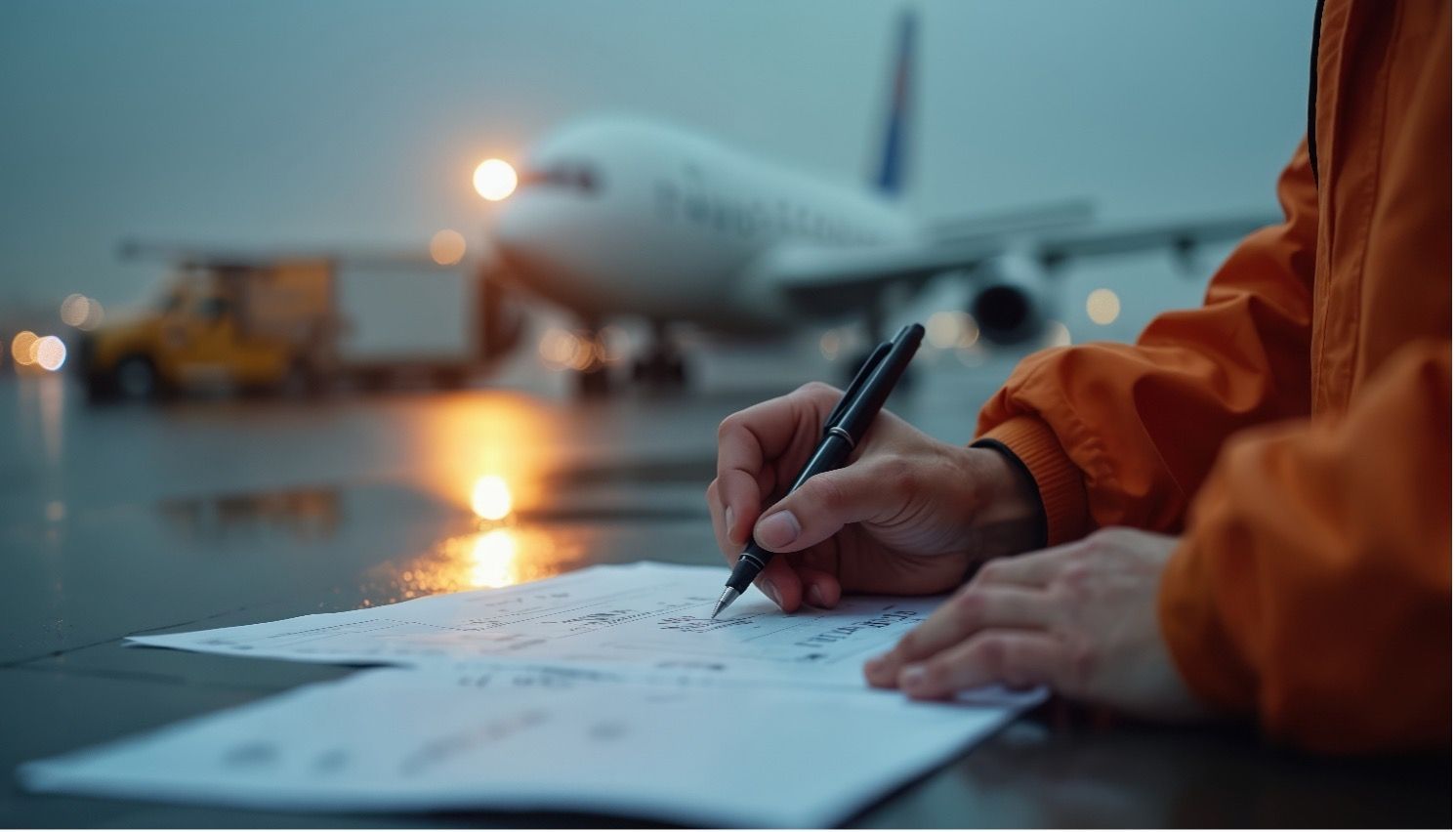
A single wrong digit on a commercial invoice can hold your shipment at the port for days. A missing certificate of origin can trigger a duty reassessment worth thousand. Documentation errors in international sea freight don't announce themselves until the damage is already done.
For Brisbane importers and exporters, getting this right the first time isn't optional. Vision International Logistics has been handling sea freight Brisbane businesses rely on since 1995. Nearly 30 years in, documentation errors remain one of the most consistent causes of shipment disruption the team sees. ISO 9001 certified and Australian Trusted Trader accredited, Vision brings verified quality standards to every shipment, not just good intentions.
Documentation fundamentals: what you're actually dealing with
Sea freight documentation is the legal and regulatory backbone of every international shipment. Without accurate paperwork, cargo doesn't move, regardless of how well everything else is organised.
Sea freight moves through a chain of authorities, each with its own requirements. The Australian Border Force (ABF), the Department of Agriculture, Fisheries and Forestry (DAFF), the shipping line, the port terminal, and the destination country's customs authority all need specific documentation at specific times. Miss one, submit it late, or get a detail wrong, and the chain breaks.
The core documents in any international sea freight Brisbane shipment include:
- Commercial invoice (must match the packing list exactly)
- Packing list
- Bill of Lading (BOL)
- Import or Export Declaration
- Certificate of Origin (required for Free Trade Agreement duty concessions)
- Quarantine and biosecurity declarations were applicable
- Permits relevant to the goods being shipped
Each document must be accurate, complete, and submitted in the right sequence. That last part trips up a lot of businesses, particularly those newer to managing sea freight documentation across multiple jurisdictions.
Common documentation risks and their business impact
The most common risks in sea freight services Brisbane businesses face aren't exotic edge cases. They're predictable errors with serious consequences.
Misclassification of goods is probably the most expensive. Assigning the wrong HS (Harmonised System) tariff code means you either overpay on duties or, worse, underpay and face a compliance audit down the track.
Valuation discrepancies between the commercial invoice and the actual transaction value trigger red flags with customs authorities. This is especially common when businesses work with related-party suppliers and haven't documented their pricing methodology correctly.
DAFF compliance gaps are another area that catches Australian exporters out. If you're shipping food, agricultural products, or anything that touches biosecurity thresholds, incomplete quarantine declarations can mean physical inspections, fumigation requirements, or outright rejection at the destination.
Late or incorrect Bills of Lading cause a different problem. If the BOL doesn't match what's physically in the container, the shipment can be held at the destination port until the discrepancy is resolved, usually at the importer's cost.
The business impact of these errors adds up fast:
- Port storage and demurrage charges
- Penalty infringements from ABF or destination customs authorities
- Delayed inventory affecting production schedules or retail timelines
- Damaged supplier relationships when delivery windows are missed
- Duty refund delays are running into months
Risk management strategies: how to reduce documentation errors
Most sea freight documentation errors are preventable. The fix is process, not luck. Start documentation preparation before the cargo is ready to ship. Waiting until the container is packed almost guarantees something gets rushed and wrong.
A step-by-step pre-shipment checklist for international sea freight Brisbane shipments:
- Confirm HS tariff codes with a licensed customs broker before booking
- Verify the commercial invoice, packing list, and BOL all reflect the same cargo description, quantity, weight, and value
- Check whether the destination country requires a Certificate of Origin and apply in advance
- Identify any DAFF or biosecurity documentation required for your goods
- Confirm incoterms are agreed with the supplier or buyer and documented clearly
- Complete any permits or import licences before the ship sails
- Run a landed cost analysis to confirm full duty, GST, and port charge exposure before committing to the shipment
That last step gets skipped constantly. Understanding the full cost of clearing goods before the shipment moves prevents pricing surprises and cash flow problems on arrival. Vision's customs team covers this as part of their end-to-end sea freight services. You can learn more on the customs page at vision.com.au/customs.
The role of freight forwarders in managing sea freight documentation
A licensed freight forwarder reduces your documentation risk by managing the entire compliance chain on your behalf. They confirm tariff classifications, prepare and lodge declarations, liaise with DAFF, and coordinate with destination agents before problems become delays.
Vision International Logistics holds Australian Trusted Trader (ATT) accreditation with the ABF, which means faster customs processing and a streamlined clearance pathway for clients. DAFF-qualified and endorsed staff handle biosecurity-sensitive shipments in-house, so there's no handoff risk when those requirements apply.
Their international freight forwarding capability means documentation is coordinated end-to-end across all trade lanes, not just managed piecemeal. See the full scope at vision.com.au/international-freight-forwarding.
For businesses moving cargo across Asia, the Pacific, or further afield, Vision's membership in the WCA Family, a network of more than 3,500 freight forwarders across 174 countries, means documentation coordination with destination agents who know local requirements firsthand. That kind of on-the-ground knowledge is what separates a clean clearance from a costly hold.
For a full picture of what sea freight through Vision looks like end-to-end, visit vision.com.au/sea-freight.
Frequently asked questions
What documents do I need for international sea freight from Brisbane?
At a minimum, a commercial invoice, a packing list, a Bill of Lading, and an Import or Export Declaration. Depending on the goods and destination, you may also need a Certificate of Origin, DAFF documentation, import permits, or phytosanitary certificates. Getting sea freight documentation right from the start avoids the most common clearance delays.
What happens if my sea freight documentation is incorrect?
Your shipment can be held at the port while the error is resolved. You may face storage charges, customs penalties, or a compliance audit depending on the nature of the error.
Do I need a customs broker for sea freight?
Technically, not always. Practically, yes. A licensed customs broker ensures correct tariff classification, identifies duty concessions, manages DAFF compliance, and handles ABF lodgements. The cost of a broker is almost always less than the cost of a documentation error.
What is a Bill of Lading and why does it matter?
The Bill of Lading is the legal contract between the shipper and the shipping line. It confirms what's been loaded, the terms of transport, and who has title to the goods. If it's wrong, releasing cargo at the destination becomes complicated and expensive.
What is Australian Trusted Trader status?
ATT is an ABF accreditation for businesses that meet strict trade compliance and supply chain security standards. Accredited companies get priority customs processing and reduced intervention rates. Vision International Logistics holds this status, which benefits all clients moving cargo through their sea freight Brisbane operations.
How far in advance should I prepare sea freight documentation?
Start at least 5 to 7 business days before the cargo is ready for standard shipments. For DAFF-sensitive or high-complexity cargo, allow more. Rushing documentation is where most errors happen, and most of them are avoidable with a bit of lead time.
Speak with a sea freight specialist
If you're moving cargo internationally through Brisbane and want sea freight documentation handled properly from the start, talk to the team at Vision International Logistics.
Call +61 7 3866 7900, email enquiries@vision.com.au, or get in touch at vision.com.au/contact.