Project Cargo: Managing Complex Shipments End-to-End
Moving project cargo is rarely a linear process. These shipments involve oversized, high-value or technically demanding freight that cannot be handled through standard logistics channels. Whether it’s heavy machinery, infrastructure components or specialised equipment, each movement requires planning that starts well before anything is loaded.
In Australia, distances are significant, access to sites can be limited, and regulatory requirements are strict. Managing project cargo successfully means understanding how each stage connects — from initial planning through to final delivery on site.
What Defines Project Cargo Logistics?
Project cargo refers to freight that exceeds standard dimensions, weight limits or handling capabilities. These shipments often require custom solutions, including specialised equipment, route modifications and multi-modal transport.
Unlike containerised freight, project cargo is planned individually. It may involve:
- Break bulk or heavy-lift cargo
- Oversized or out-of-gauge equipment
- High-value or sensitive assets
- Cargo requiring coordinated delivery to project sites
Because of this, the logistics approach is built around the cargo — not the other way around.
Why Planning Comes Before Movement

With project cargo, most of the work happens before transport begins. Route surveys assess whether roads, bridges and infrastructure can support the load. Lift studies determine how cargo will be handled safely at each stage. In many cases, permits, escorts or temporary adjustments to infrastructure are required.
Without upfront planning, even a minor oversight can delay an entire project.
Coordinating Multiple Moving Parts
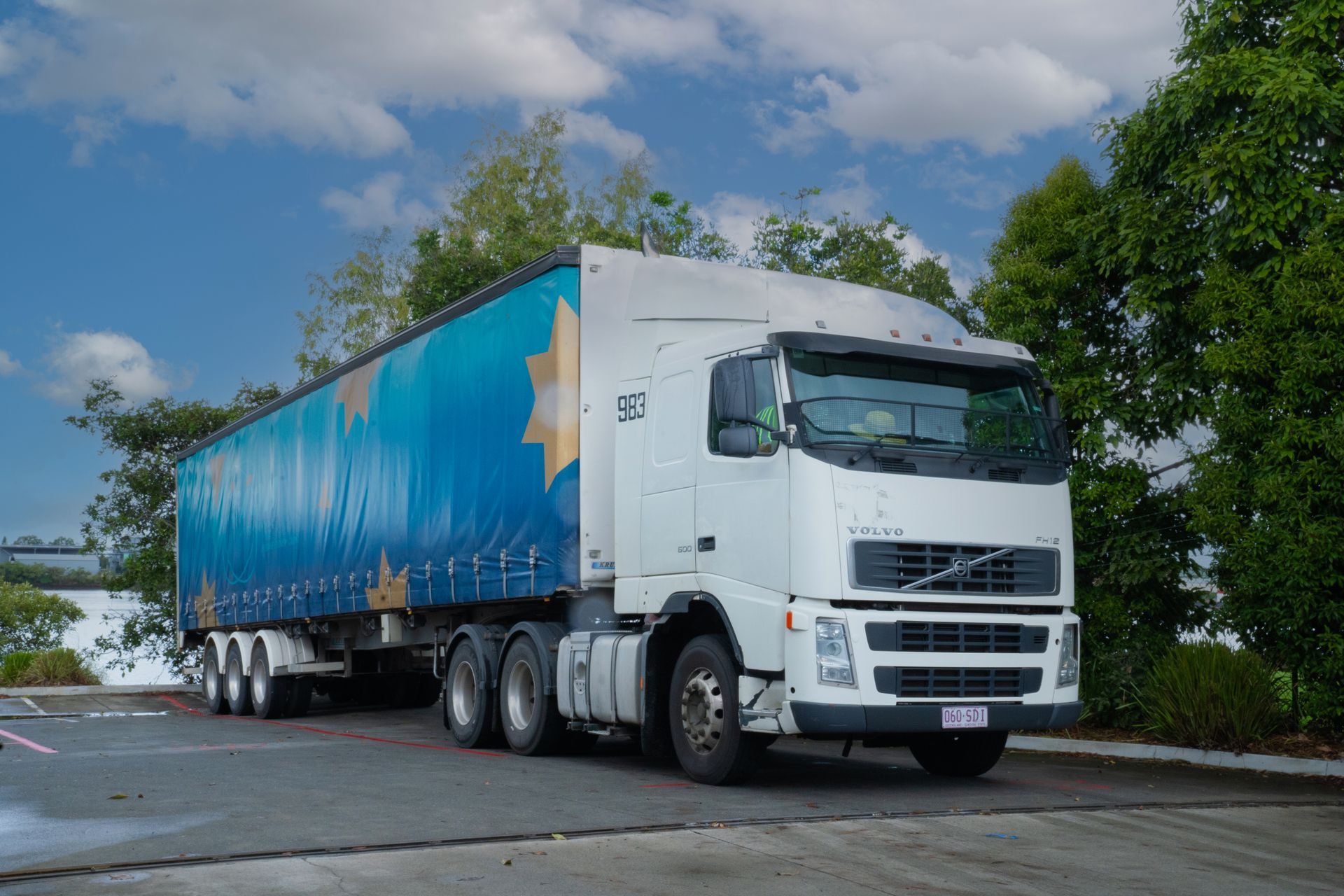
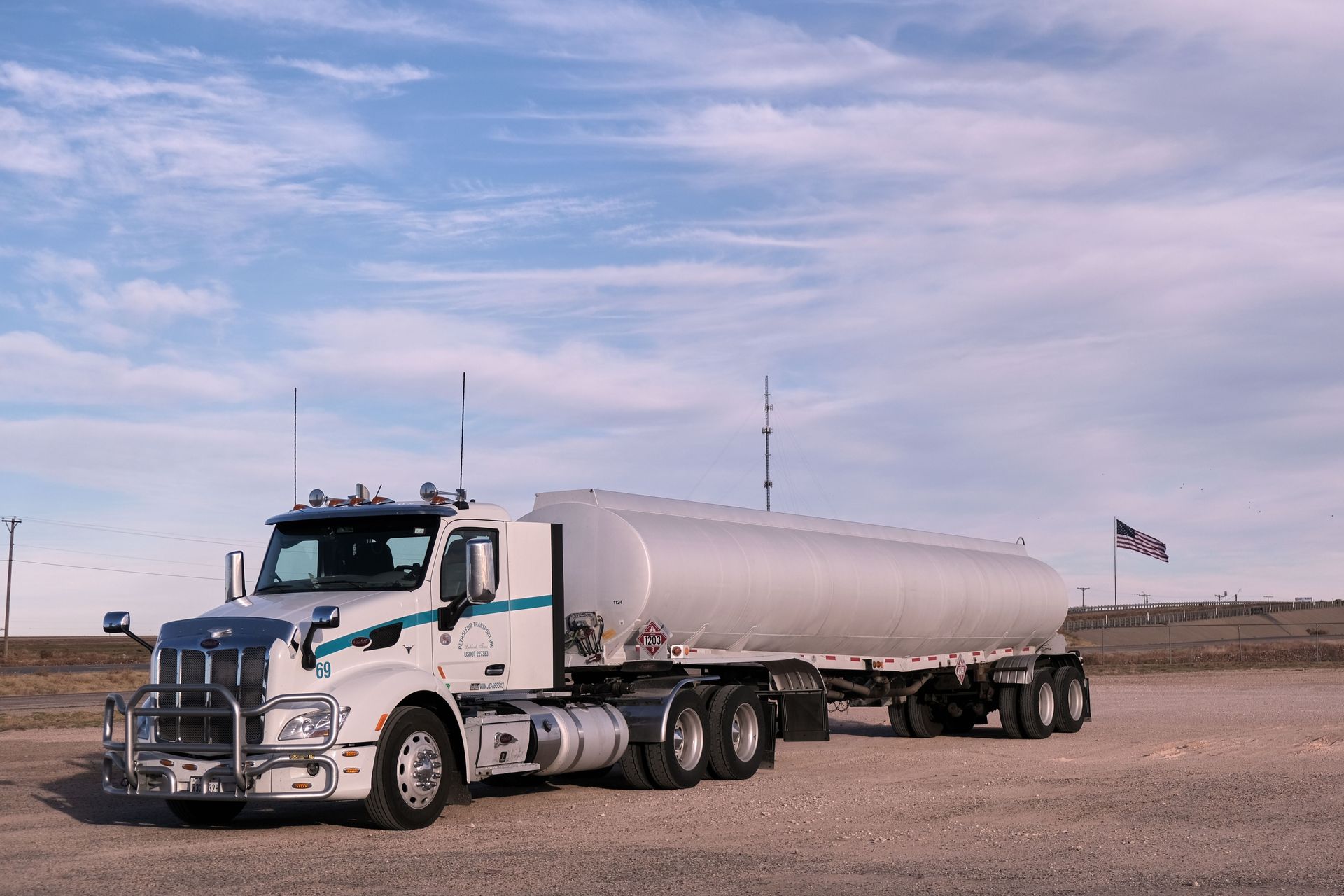
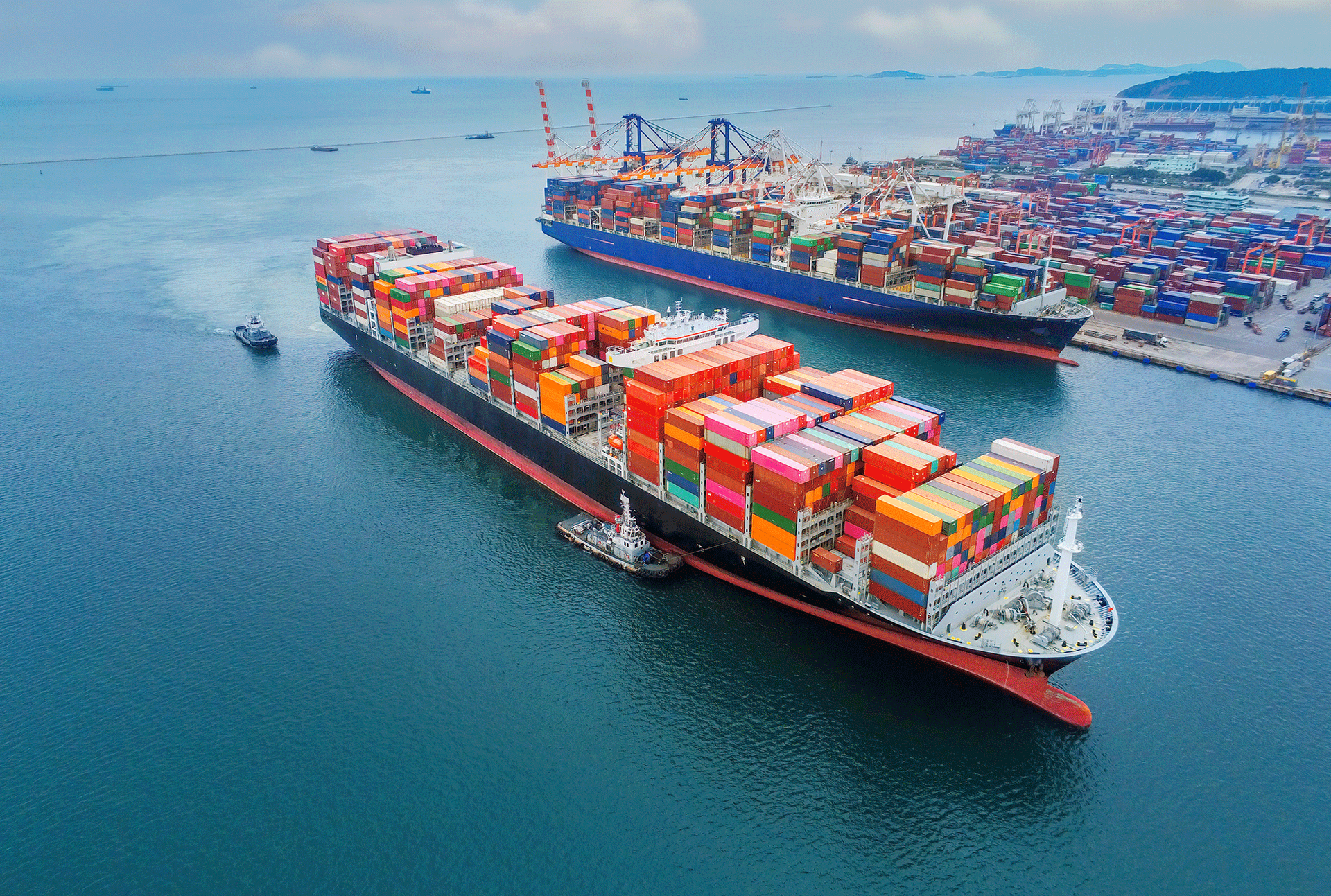
Project cargo rarely moves in a single step. It often involves a combination of road, sea and air transport, each with its own requirements.
A typical movement might include collection from a manufacturer, transport to port, international shipping, and final delivery to a remote or restricted site. Each handover point introduces risk — particularly for heavy or sensitive cargo.
This is where coordination becomes critical. Timing, equipment availability and communication between all parties must align to keep the shipment moving as planned.
Where Can Things Go Wrong?
- Access constraints might prevent cargo from reaching its destination without modification to routes or infrastructure.
- Handling errors can occur if equipment or planning is inadequate. Delays can impact broader construction or operational timelines.
- There is also a regulatory layer. Oversized transport requires permits, compliance with safety standards and, in some cases, escort vehicles or restricted travel windows.
Managing these variables is what separates standard freight from project logistics, and Vision International Logistics knows exactly how to do this.
How Vision International Logistics Supports Project Cargo

Project cargo requires a structured, hands-on approach. At Vision International Logistics, this is delivered through a combination of planning, coordination and in-house capability.
Each shipment is assessed individually, with solutions tailored to the cargo, route and destination requirements. Dedicated project managers oversee the process from start to finish, ensuring that all moving parts remain aligned.
Their service offering includes:
- End-to-end project coordination across all transport stages
- Multi-modal freight solutions covering road, sea and air
- In-house customs brokerage to streamline clearance
- Safety-focused planning and execution
- Experience across industries such as mining, construction, energy and aerospace
This approach allows complex shipments to move with greater certainty, even when conditions are challenging.
Read our blog to learn more:
Exporting Australian Produce by Air: Best Practices for Compliance and Shelf Life
Supporting Project Cargo Across Australia
A strong local logistics network is essential when managing complex freight. Vision International Logistics are based in locations that connect to major ports and transport corridors.
Brisbane
739 Macarthur Avenue Central, Pinkenba QLD 4008
Located near key port infrastructure, Brisbane plays a central role in handling international project shipments and coordinating movements into regional Queensland, including mining and energy sites.
Sydney
11 Bumborah Point Road, NSW 2036
Sydney provides access to major import and export channels, supporting project cargo movements into construction, infrastructure and industrial sectors across New South Wales.
Sunshine Coast
Coolum Beach, QLD 4573
The Sunshine Coast location supports regional logistics requirements, particularly for projects that extend beyond metropolitan areas and require flexible transport solutions.
Together, these locations allow for greater control over domestic and international movements. Cargo can be coordinated efficiently across multiple stages.
The Importance of Securing and Handling Cargo Correctly
Project cargo is often irregular in shape, weight distribution and structural integrity. This makes securing and handling a critical part of the process.
Custom packing, lashing and load distribution ensure that cargo remains stable during transit, particularly across sea freight where movement is unavoidable. These measures are essential for safety and compliance.
Case Study: Rangers Valley Premium Beef Exports with Vision International
Let’s Talk About Your Project Cargo
Contact us Vision International today by calling +61 7 3866 7900 or emailing enquiries@vision.com.au and be part of the journey. Australian owned and operated for over 30 years, we value collaboration and forward-thinking solutions.
As part of the WCA Family — the world’s largest independent freight forwarder network — we connect our clients with trusted partners across the globe, including more complex and hard-to-reach regions.
With access to over 3,500 members in 174 countries and 620 cities, we deliver end-to-end logistics solutions backed by a strong international network.
To learn more, explore our accreditation, our values, and how we manage and move cargo efficiently across global supply chains. We support businesses of all sizes with practical, reliable logistics.