How Long Does Customs Clearance Take in Australia?
Customs clearance is an integral step in the process of importing goods into Australia. It ensures that shipments comply with local regulations, duties are correctly applied, and cargo is safely delivered.
For businesses and individuals alike, understanding how long customs clearance might take and what factors influence it can help reduce delays and costs.
In the following article, we’ll break down the customs clearance process in Australia, particularly for Queensland, and provide insights into timelines and best practices.
The Customs Clearance Process in Australia
1. Documentation Review
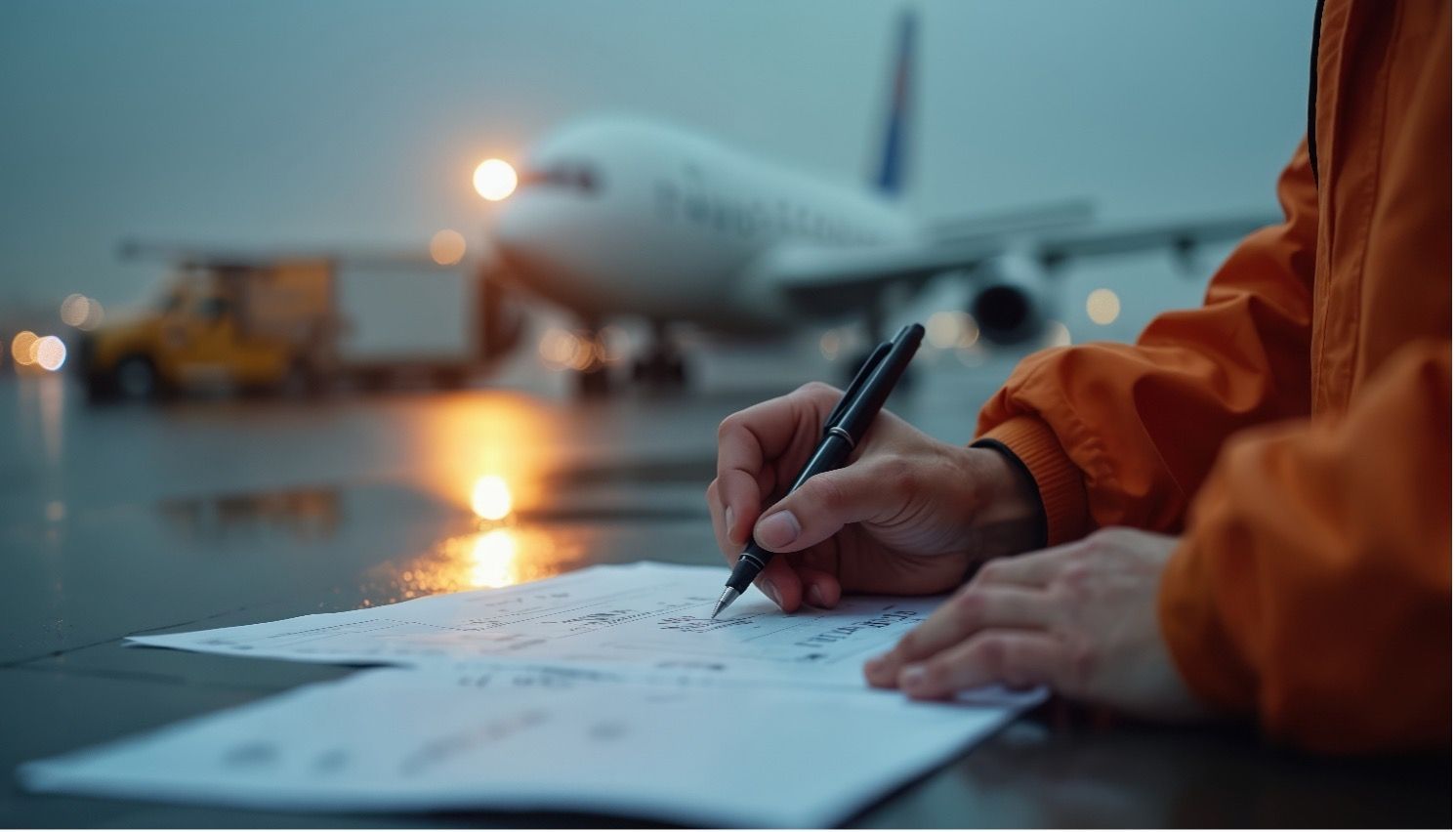
Importers or customs brokers must submit the required documents to Australian Border Force (ABF).
These essential documents include:
- Bill of Lading (BOL)
- Airway Bill (AWB)
- Commercial Invoice
- Packing List
- Import Declaration and Verification
The ABF conducts assessments of the shipment to verify its contents and ensure compliance with biosecurity and trade regulations. For certain goods, additional inspections by the Department of Agriculture, Fisheries and Forestry (DAFF) may be required.
2. Duties
Duties, taxes, and Goods and Services Tax (GST) must be paid before goods can be released for delivery.
3. Quarantine or Safety Checks
Depending on the type of cargo (e.g., food, agricultural products, or pharmaceuticals), further inspections might be required to ensure biosecurity and safety.
How Long Does Customs Clearance Take?
The timeframe for customs clearance in Australia varies depending on several factors, including:
- Standard Shipments: For general cargo with all correct documentation, clearance typically takes 1–3 business days.
- Delays Due to Missing Documentation: is incomplete or incorrect, the clearance process can take significantly longer as corrections are made.
How to Speed Up Customs Clearance
Look Through Documentation Extensively
Ensure that all required documents, including import permits and certificates of origin, are complete and accurate before lodging your import declaration.
Use a Customs Broker
Professional brokers can assist with navigating the complexities of customs clearance, ensuring compliance and avoiding delays.
Understand Product Requirements
Familiarise yourself with regulations specific to your goods, especially if they are high-risk or require quarantine.
Pay Duties and Taxes Promptly
Delayed payments can hold up the release of your goods.
Partner with Experienced Freight Forwarders
Freight forwarders can provide end-to-end services to streamline customs clearance and delivery.
Customs Clearance – Contact Us
Customs clearance in Australia is a manageable process when approached with the right knowledge and preparation.
While standard shipments may clear customs within a few days, factors such as the type of goods and compliance with regulations can significantly impact timelines.
By staying informed and taking advantage of freight forwarding, businesses can minimise delays and keep their supply chains running smoothly.
Let Vision International Logistics help you go through the customs clearance with ease.
Learn more about our customs services.
Contact us today to learn how we can support your import and export needs with tailored logistics solutions.