Managing Documentation Risk in International Sea Freight
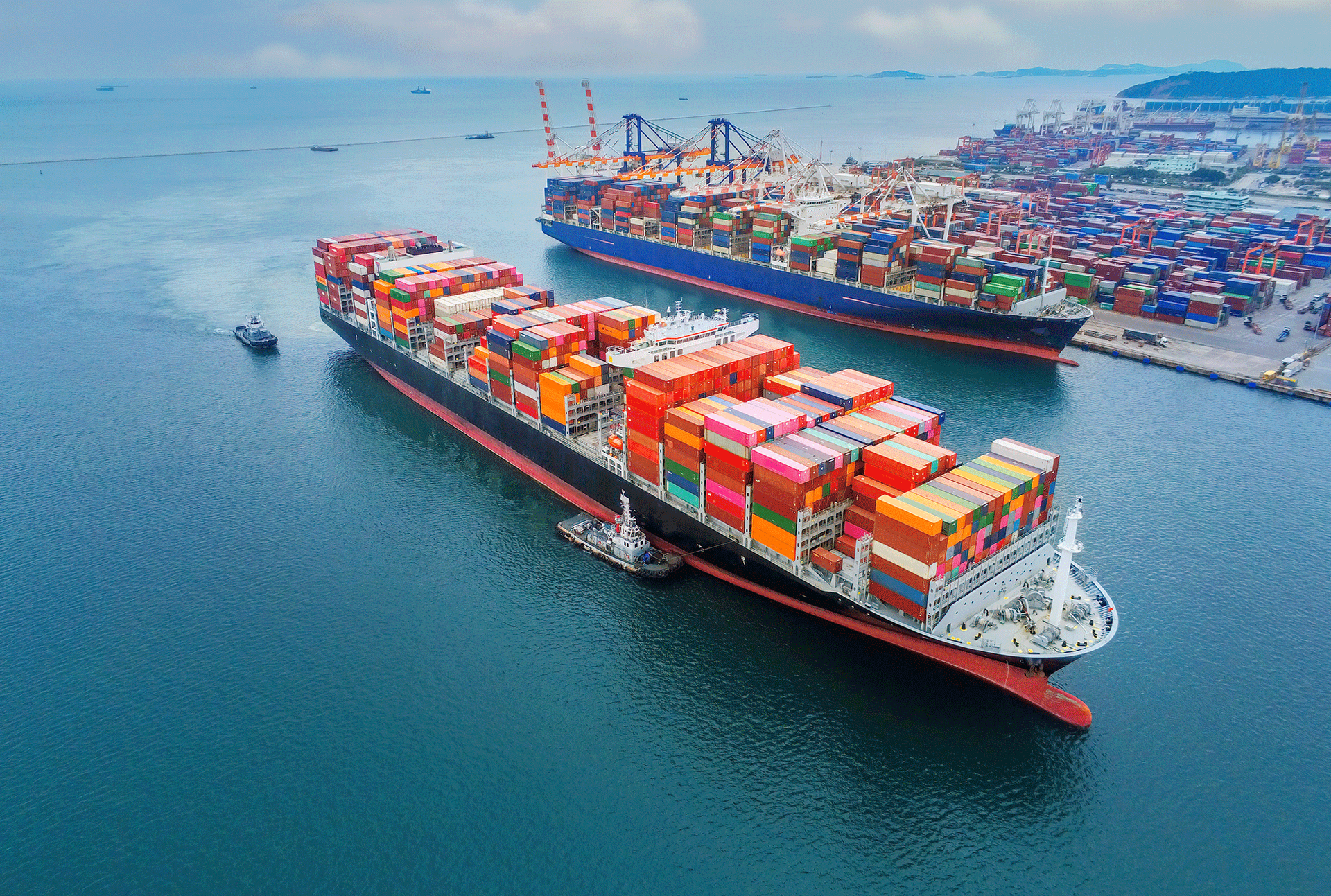
In international sea freight, delays are rarely caused by the vessel itself. More often, they start with the paperwork.
Before cargo reaches port, it has already been assessed based on the information submitted. That documentation determines how a shipment is classified, whether it is cleared or held, and how quickly it moves through the supply chain.
For Australian importers and exporters, managing documentation risk is about avoiding preventable delays, controlling costs and maintaining consistency across complex global shipments.
Why Documentation Risk Exists in Sea Freight
International sea freight operates in a highly regulated environment where cargo is assessed before arrival using submitted data.
Australian border systems rely on documentation being lodged in advance, allowing authorities to evaluate risk and determine whether cargo can be cleared or requires inspection.
If documentation is inaccurate, incomplete or inconsistent, risk increases immediately. That risk doesn’t always mean a major compliance breach. More often, it leads to:
- Cargo being held for further review
- Requests for additional documentation
- Delays in clearance
- Storage and demurrage costs
In higher-risk cases, it can trigger inspections, penalties or seizure.
Where Does Documentation Risk Occur?
Documentation issues tend to happen at handover points across the supply chain. Here are some common pressure points:
Supplier-Level Errors
Incorrect product descriptions, undervalued invoices or inconsistent packing lists originate from overseas suppliers.
Timing Gaps
Late or rushed document submission increases the chance of missing or incorrect data. This is especially the case when cargo is already in transit.
System Limitations
Many logistics systems still rely on manual data entry or disconnected platforms, increasing the likelihood of duplication errors or mismatched information.
Multi-Party Coordination
Sea freight involves multiple parties: exporters, importers, freight forwarders, carriers and customs brokers. Each transfer introduces risk if information shared between partners is not aligned.
The Documents That Carry the Most Risk
Some documents have a direct impact on how cargo is assessed and cleared.
- Bill of Lading – defines ownership, shipment details and transport terms
- Commercial Invoice – determines value, duties and tax obligations
- Packing List – verifies cargo contents and structure
- Import Declarations – submitted to customs for clearance
Even small inconsistencies between these documents can trigger a review. For example:
- A mismatch between invoice value and declared value
- Vague or generic cargo descriptions
- Incorrect HS classification
These issues don’t always indicate fraud, but they do increase the likelihood of intervention.
Documentation Failures in Sea Freight
From an operational perspective, documentation risk tends to fall into a few consistent patterns.
Misdescription of Goods
Generic descriptions like “parts” or “samples” reduce clarity and increase scrutiny.
Undervaluation or Inconsistent Valuation
Incorrect declared values can lead to revenue discrepancies and trigger compliance checks.
Incomplete or Inaccurate Data
Missing consignee details, incorrect weights or inconsistent shipment references create friction during processing.
Late Documentation Submission
Delays in submitting cargo reports or declarations limit the ability for pre-arrival risk assessment, increasing the chance of cargo being held.
The Consequences of Getting It Wrong
Documentation errors are rarely isolated. They cascade across the supply chain. At a practical level, this can result in:
- Delayed cargo release at port
- Additional inspections or examinations
- Storage, detention and demurrage charges
- Disruption to downstream operations
At a regulatory level, risks can escalate further. Border authorities use intelligence-led, risk-based systems to identify high-risk consignments and apply targeted interventions.
When documentation raises red flags, cargo can move from routine processing into active scrutiny.
Why Documentation Risk Is Increasing
Several factors are making documentation risk more complex, not less.
Growing Cargo Volumes
As import volumes increase, authorities rely more heavily on data accuracy rather than manual inspection.
Automation Without Integration
While systems are becoming more digital, many businesses still operate across fragmented platforms, increasing inconsistency.
Higher Compliance Expectations
Regulatory frameworks continue to evolve, requiring more precise and timely reporting.
E-commerce and Low-Value Shipments
Large volumes of smaller consignments with limited data create additional risk, particularly where descriptions and values are unclear.
How Freight Forwarders Reduce Documentation Risk
Managing documentation risk is not about eliminating complexity. It is about controlling it. An experienced freight forwarder plays a critical role in this process by:
Standardising Documentation Across Shipments
Ensuring consistency between invoices, packing lists and declarations.
Reviewing Data Before Submission
Identifying discrepancies before they trigger issues at the border.
Coordinating Across Stakeholders
Aligning suppliers, carriers and customs requirements into a single workflow.
Managing Timing and Compliance
Ensuring all documentation is submitted correctly and within required timeframes.
At Vision International Logistics, this process is embedded into how sea freight is managed — from initial documentation through to final delivery.
Case Study: Comfy Foods’ First Export Success to Japan with Vision International
A Practical Approach to Managing Documentation Risk
For businesses moving cargo regularly, documentation risk should be treated as an operational discipline, not an afterthought. A structured approach includes:
- Validating supplier documentation before shipment
- Using consistent product descriptions and classifications
- Aligning all documents before submission
- Allowing sufficient time for review and corrections
- Working with experienced logistics partners
These steps reduce the likelihood of intervention and improve overall supply chain reliability.
Documentation Is a Control Point, Not Just Paperwork
In international sea freight, documentation is more than a requirement. It is a control point that determines how cargo moves through the global supply chain.
The difference between smooth clearance and costly disruption often comes down to how well that documentation is prepared, reviewed and managed.
Our Australian Locations
Vision International Logistics operates across key Australian locations, allowing us to support sea freight operations both locally and nationally.
- Brisbane (Head Office): 739 Macarthur Avenue Central, Pinkenba QLD 4008
- Sydney: 11 Bumborah Point Rd, Sydney NSW 2036
- Sunshine Coast: Coolum Beach, QLD 4573
With a strong presence in Brisbane and support across major ports and regions, our team is well-positioned to manage international sea freight and documentation requirements across Australia.
Work With a Partner Who Understands Sea Freight Risks

Are you concerned about cargo insurance, commercial invoices, regulatory compliance, or specific shipping documents?
With over 30 years of experience supporting businesses with end-to-end sea freight solutions, Vision International understands documentation risk management, customs clearance and global coordination.
As part of the WCA Family — the world’s largest independent freight forwarder network — we connect our clients with trusted logistics partners across more than 170 countries.
Our global trade network, combined with local expertise in Brisbane and across Australia, enables us to minimise risk across international shipping.
Contact us today to discuss how we can support your sea freight operations. Learn more about our accreditation, values, and other services for project cargo, freight forwarding, and more.